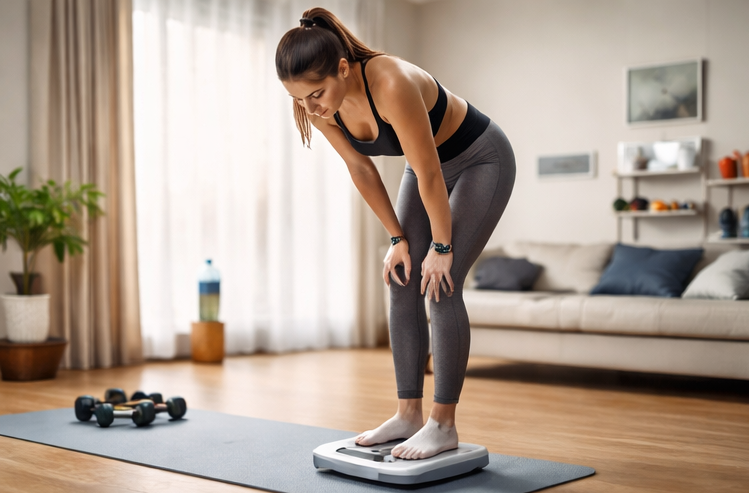
leanroutine.online – Learn how to track fat loss progress without relying only on the scale. Practical ways to measure real changes that actually matter.
Fat loss gets weird the moment the scale stops cooperating.
You eat better for two weeks. You move more. Maybe your clothes even feel slightly different. Then you step on the scale and somehow the number barely changes. That’s usually the moment people assume nothing is working.
The frustrating part is that fat loss rarely shows up in a clean, predictable way. Water retention, stress, poor sleep, sodium intake, and even a hard workout can make the number jump around for days. Sometimes the scale goes up right when your body is actually changing for the better.
That’s why learning how to track fat loss properly matters. Not in a hyper-obsessive way. Just enough to see real progress before motivation disappears.
The Scale Only Shows One Piece of the Story
A lot of people treat the scale like a final verdict. Good number means success. Bad number means failure.
But body weight changes constantly for reasons that have nothing to do with fat.
One salty dinner can shift water weight overnight. Poor sleep can do the same. For women, hormonal fluctuations can completely change the scale for several days each month. Even starting a workout routine can temporarily increase water retention because muscles hold more fluid while recovering.
That’s why daily weighing without context becomes mentally exhausting.
The scale works better when viewed as a trend, not a judgment. Weigh yourself under similar conditions if you want consistency. Morning usually works best. Same time. Same general routine.
Then stop reacting to individual numbers.
What usually helps more is combining the scale with other indicators. People often notice physical changes before the number catches up.
This is also where structured routines help. If your workouts are inconsistent, progress becomes harder to interpret. A simple routine like this full-body home workout for busy professionals makes it easier to spot patterns because your activity level stays relatively stable.
Progress Photos Reveal Changes the Mirror Hides
One of the strangest things about fat loss is how slowly your eyes adapt.
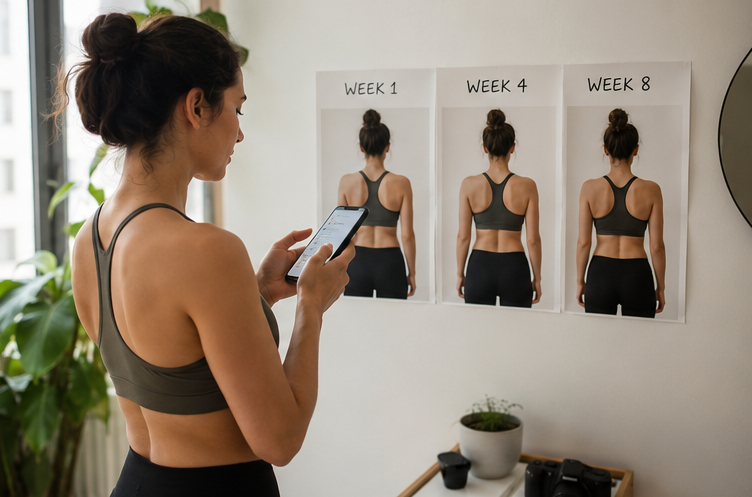
You can look in the mirror every morning and genuinely believe nothing changed. Then you compare two photos taken six weeks apart and suddenly your face looks leaner, your waist looks tighter, and your posture even looks different.
Progress photos work because they freeze moments your brain normally smooths over.
The key is consistency.
Same lighting. Similar clothing. Same angle. No flexing one day and relaxed posture the next. Tiny differences matter more than people think.
Front, side, and back photos usually tell the clearest story. Most people only focus on the front view, but changes around the waist, lower back, and shoulders often show earlier from the side.
What surprises many people is how fat loss sometimes appears uneven. Your stomach may stay stubborn while your face and arms lean out first. Or your waist shrinks before your thighs change at all.
That’s normal.
The mistake is expecting every area to respond at the same speed.
Another thing nobody talks about enough is posture improvement. Once people start exercising consistently, they often stand differently without realizing it. Shoulders pull back slightly. Core tension improves. Clothes sit differently.
That visual difference matters too.
Your Clothes Usually Notice Before You Do
Most people already own one of the best fat loss tracking tools. It’s hanging in the closet.
Certain clothes tell the truth faster than the scale.
Jeans usually expose subtle waist changes first. Shirts can reveal shoulder and chest changes surprisingly early. Sometimes even underwear fits differently before weight loss becomes obvious elsewhere.
The important part is noticing fit, not chasing smaller sizes immediately.
There’s a difference between these pants fit better and I need to buy new clothes now. Early fat loss changes are often subtle. Waistbands stop digging in. Fabric sits flatter. Buttons pull less when sitting down.
Small things.
But those small things are usually real signs of progress.
One common mistake is relying only on stretchy clothing. Leggings and oversized shirts can hide body changes for months because the fabric adapts too easily. Structured clothes give clearer feedback.
Another overlooked detail is comfort during daily movement.
Walking upstairs feels easier. Sitting feels less restrictive. You stop adjusting your shirt every few minutes. These changes sound minor until you realize they happen before dramatic visual transformation.
People often underestimate how motivating those everyday improvements can be.
Measurements Help When Fat Loss Slows Down
Eventually most people hit a phase where the scale becomes confusing again.
This is especially common if you start strength training. Your body composition can improve while body weight barely moves. You may lose fat and gain muscle at the same time, which hides progress on the scale.
That’s where body measurements become useful.
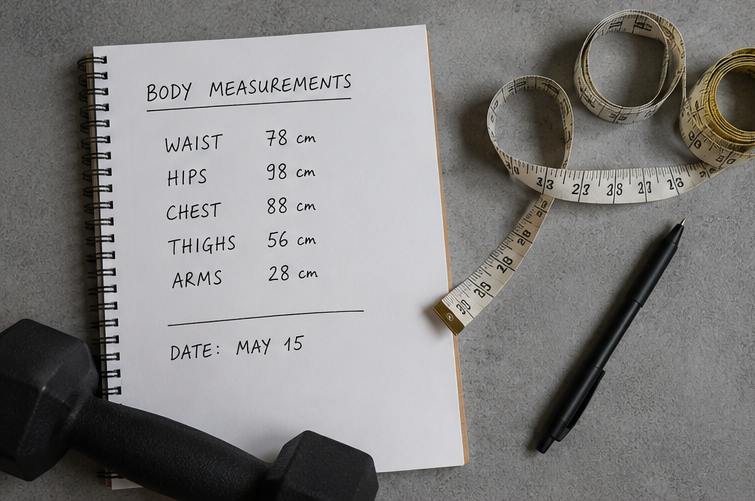
You do not need a complicated system. Just track a few consistent areas:
- Waist
- Hips
- Chest
- Thighs
- Arms
Once every two weeks is usually enough.
Daily measurements create unnecessary stress because small fluctuations happen naturally. Even digestion can affect waist measurements by an inch or more.
The waist is often the most useful area to monitor because abdominal fat tends to reflect overall fat loss trends clearly over time.
But context matters here too.
Some people lose inches rapidly at first because bloating decreases. Others barely change measurements early on because inflammation and water retention mask progress temporarily.
This is why combining multiple tracking methods works better than relying on one single metric.
A practical fitness routine also matters more than perfection. Many people overcomplicate fat loss when consistency is usually the bigger issue. This home workout for weight loss approach works well precisely because it fits real schedules instead of ideal ones.
Energy Levels and Recovery Say More Than People Realize
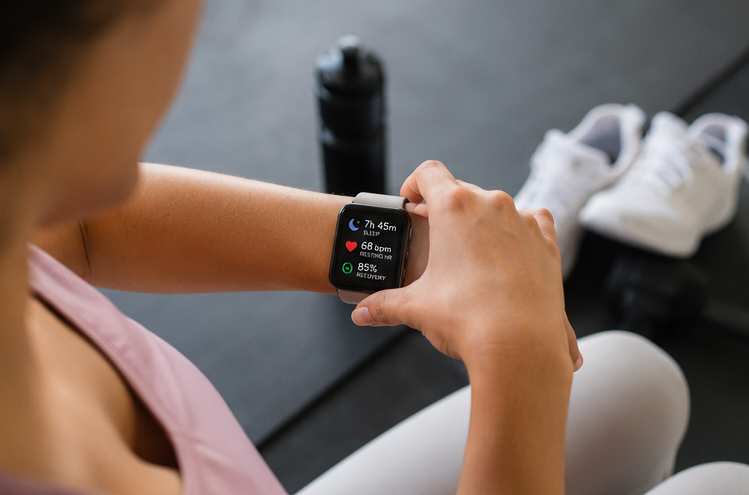
One thing that often gets ignored when trying to track fat loss is how your body actually feels.
Not every sign of progress is visual.
Energy stability improves. Recovery gets faster. Sleep becomes deeper. Workouts stop feeling like punishment. These changes usually appear quietly in the background.
At first people miss them because they are too focused on appearance.
Then suddenly they realize something simple. Climbing stairs no longer feels annoying. Grocery bags feel lighter. Afternoon crashes happen less often.
Those improvements matter because sustainable fat loss depends heavily on recovery and stress management.
Ironically, many people slow their progress by pushing too hard.
They cut calories aggressively. Add exhausting workouts. Ignore sleep. Then they wonder why motivation disappears after three weeks.
The body responds better to consistency than punishment.
Recovery days are especially underrated. People often think rest days reduce progress, when in reality they help regulate stress, reduce inflammation, and support muscle repair. That’s part of why recovery days improve long-term fat loss results more than most beginners expect.
You usually feel the difference after a few weeks. Less soreness. Better workout performance. More stable energy.
And when recovery improves, fat loss tends to become easier to maintain.
The Biggest Mistake Is Expecting Linear Progress
This is probably the hardest part emotionally.
People expect fat loss to happen in a straight line. They imagine steady weekly drops and visible changes every few days.
Real life does not work like that.
Some weeks everything clicks. Then suddenly nothing changes for ten days. Then your body shifts again almost overnight.
Plateaus happen even when you are doing things correctly.
Stress affects water retention. Sleep changes hunger signals. Social events interrupt routines. Travel throws off digestion. Life happens.
The problem is that many people quit during temporary stalls because they assume the process stopped working.
Usually it didn’t.
The more sustainable mindset is focusing on trends across several weeks instead of reacting to short-term fluctuations.
That also means avoiding obsessive tracking behaviors.
If checking the scale five times a day ruins your mood, it’s not helping. If body checking in mirrors increases anxiety, step back. Tracking should create clarity, not mental exhaustion.
The healthiest approach is surprisingly boring.
A few measurements. Occasional photos. Consistent habits. Patience long enough to notice patterns.
That’s often enough.
Because real fat loss rarely looks dramatic day to day. It shows up quietly through dozens of small changes that eventually become impossible to ignore.