leanroutine.online – Discover low-impact home cardio workouts that burn calories without stressing your knees, with practical tips and real-life strategies that actually work.
The workout starts fine for the first five minutes. Then your knees begin to feel it. A slight pressure at first, then a dull ache that builds with every squat or jump. You slow down, try to adjust your form, but it doesn’t help much. Eventually, you stop earlier than planned. Not because you’re tired, but because your joints won’t cooperate.
This is where low-impact home cardio becomes more than just a fitness trend. It turns into a practical solution for people who want to stay active without paying the price later. Especially if your knees have already given you warning signs.
So what actually works when you want cardio without the joint stress?
Why High-Impact Cardio Often Backfires at Home
A lot of people assume more movement means better results. So they follow intense routines filled with jumping jacks, burpees, and squat jumps. It looks effective on video. In reality, it often creates problems.
At home, you usually don’t have shock-absorbing floors. Most people exercise on tiles, wood, or thin mats. That means every jump sends force straight into your knees. Over time, this builds up.
In many cases, the issue isn’t your fitness level. It’s the environment. Even people with good stamina start to feel discomfort after a few sessions.
Another common mistake is pacing. High-impact workouts tend to push you too fast, too soon. You get out of breath quickly, and your form breaks down. That’s usually when knee strain starts.
Have you ever noticed how the pain doesn’t show up immediately, but later that night or the next morning?
That delayed discomfort is often the first sign your routine needs adjustment.
What Makes Low-Impact Home Cardio Effective
Low-impact doesn’t mean low effort. That’s where many people get it wrong. The goal is to reduce stress on joints, not reduce intensity.
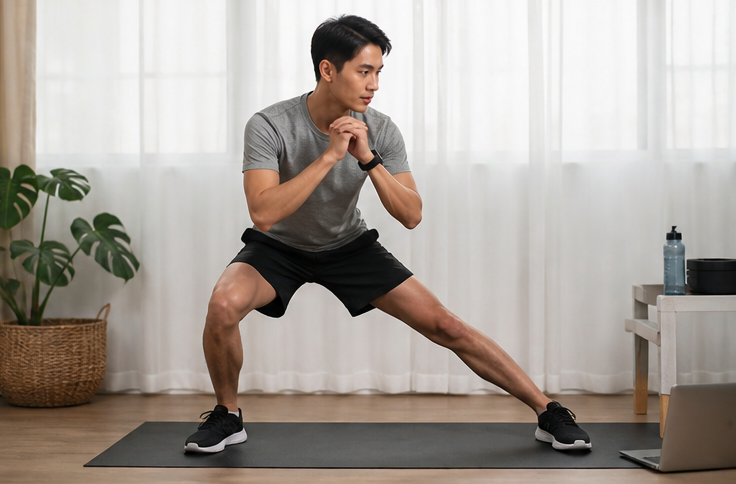
The key difference lies in how your feet interact with the ground. In low-impact movements, at least one foot stays in contact with the floor most of the time. This reduces shock while still keeping your heart rate up.
For example, a fast-paced march in place can feel surprisingly challenging when done properly. Add arm movement, increase tempo, and maintain good posture. Suddenly, it becomes real cardio.
Another effective approach is controlled movement. Slow mountain climbers or step-back lunges can burn just as much energy when done with intention.
What often works best is consistency. You can repeat low-impact workouts more frequently because they don’t leave your joints sore.
That’s something many people overlook. Progress doesn’t come from one intense session. It comes from what you can sustain.
Practical Low-Impact Moves That Actually Work
When people hear low-impact, they often picture something too easy to matter. That assumption usually leads them back to high-impact routines. Then the cycle repeats.
But here’s what tends to work in real home settings.
Marching variations are underrated. Start with a basic march, then raise your knees higher over time. Add arm swings or light weights. It looks simple, but it builds endurance quickly.
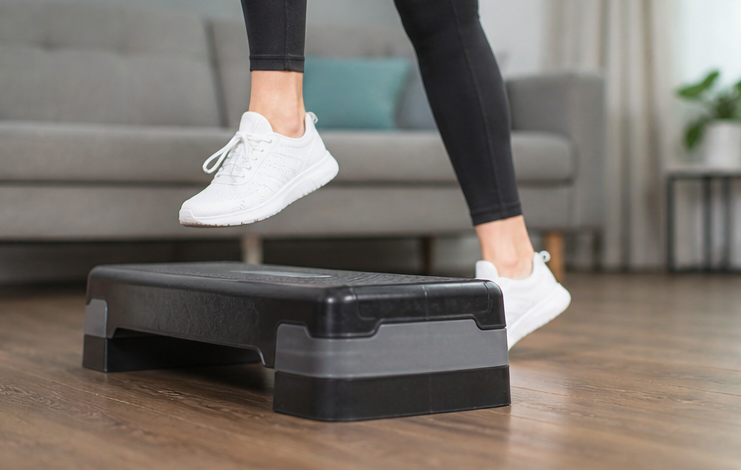
Step-touch movements are another reliable option. Side to side, steady rhythm, with slight knee bends. It keeps your body moving without sharp impact.
Standing core twists can also elevate your heart rate. Rotate your torso while keeping your lower body stable. This engages more muscles than expected.
One mistake people make is rushing through these moves. Speed without control reduces effectiveness. You end up doing more, but getting less.
Try focusing on form instead. Slower, controlled reps often feel harder in a good way.
At this point, you might wonder if this type of workout can actually help with weight loss. It can, especially when paired with a structured plan like this home workout for weight loss without equipment, which focuses on realistic routines you can stick to.
When Low-Impact Workouts Feel Too Easy
There’s a moment many people hit after a week or two. The exercises start to feel manageable. Maybe even too easy. That’s usually where motivation dips.
But the issue isn’t the workout itself. It’s how it’s being progressed.
Intensity in low-impact cardio comes from duration, tempo, and combination. Not from jumping.
For example, combining three movements into one flow can increase difficulty. A march transitions into a side step, then into a knee lift. Keep it continuous, and your heart rate climbs.
Another method is time under tension. Hold positions slightly longer. Slow down transitions. This forces your muscles to work harder.
Many people try to fix boredom by switching to high-impact moves. That often leads back to knee discomfort.
Instead, adjust the structure. Shorter rest periods, longer sets, or adding light resistance can make a big difference.
Have you ever finished a workout sweating more from controlled movement than from jumping? That’s usually a sign you’re doing it right.
Common Mistakes That Still Hurt Your Knees
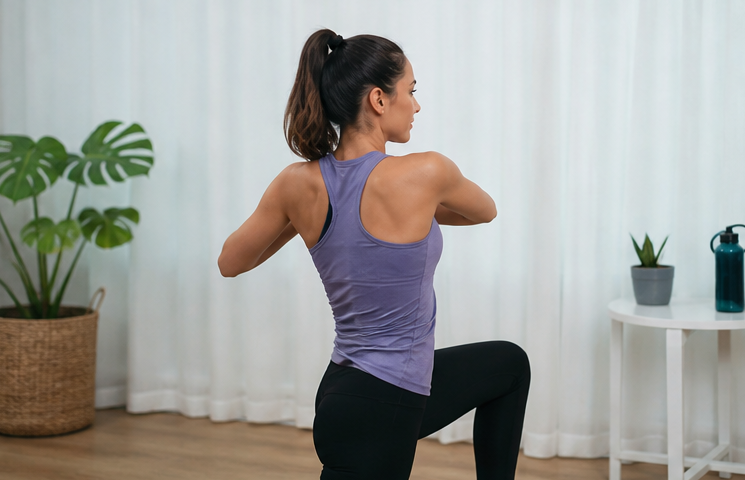
Low-impact doesn’t automatically mean safe. Execution matters.
One common issue is posture. Slouching or leaning too far forward shifts pressure to your knees. This happens a lot during fatigue.
Another mistake is locking your knees. Some people keep their legs too stiff, especially during standing exercises. That removes natural shock absorption.
Footwear also plays a role. Working out barefoot on hard floors can increase joint stress. A simple pair of supportive shoes can help reduce impact.
Then there’s repetition without variation. Doing the same movement pattern every day can still lead to overuse.
The body adapts, but it also gets stressed in predictable ways.
It’s worth asking yourself: are you repeating the same exact routine every session?
Small changes can prevent long-term issues.
Building a Routine You Can Actually Stick To
The best workout isn’t the most intense one. It’s the one you’ll keep doing.
Low-impact home cardio works well because it fits into daily life. You don’t need a large space or special equipment. You just need consistency.
A realistic routine might be 20 to 30 minutes, four to five times a week. Mix a few movements, keep transitions smooth, and focus on rhythm.
Morning sessions often feel easier to maintain. Energy is higher, and fewer distractions get in the way. But for some people, evening workouts feel more natural.
The timing matters less than the habit.
One practical trick is linking your workout to something you already do. For example, right after you wake up or before your evening shower.
This reduces decision fatigue. You don’t have to think about when to start.
Also, track how your knees feel over time. Not just during the workout, but hours later. That feedback is more useful than calories burned.
Because at the end of the day, progress isn’t just about sweating more. It’s about moving better, without pain holding you back.
And once that happens, staying consistent becomes a lot easier.