leanroutine.online – Create a simple home workout space without equipment using small-space ideas, realistic setup tips, and easy habits that actually stick.
You don’t need a garage gym to start working out at home. Most people already know that. The frustrating part is how quickly a simple setup turns into a messy corner full of abandoned motivation.
At first, a yoga mat on the floor feels enough. Then the distractions start. The chair becomes a clothes rack. The floor feels cramped. Somehow a 20-minute workout turns into scrolling on your phone while sitting beside laundry.
What usually fails isn’t the workout itself. It’s the space around it.
A simple home workout space works best when it removes friction instead of looking impressive. The goal is not to create a fitness studio. It’s to make movement feel easy enough to repeat tomorrow.
Stop Looking for the Perfect Spot
One reason people delay setting up a workout area is because they think they need an “ideal” room. A spare room. A balcony with sunlight. Maybe even one of those minimalist corners you see online.
In reality, most sustainable workout spaces start in awkward places.
A narrow area beside the bed can work. So can the empty space between the sofa and TV. The important thing is consistency. Your brain starts associating that exact area with movement, even if it’s small.
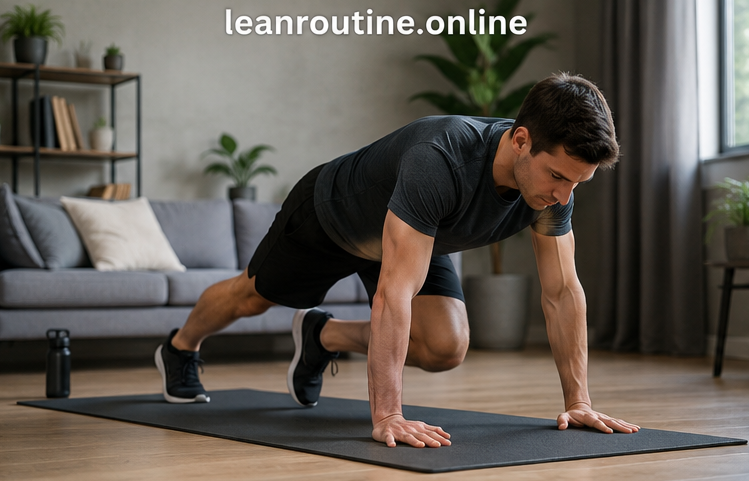
What surprises many people is how little space bodyweight workouts actually need. For squats, lunges, planks, and push-ups, you mostly need enough room to lie down comfortably and stretch your arms.
The bigger issue is visual distraction.
If your workout area is surrounded by clutter, your attention drains faster. You might not notice it immediately, but after a week or two the space starts feeling mentally heavy. That’s usually when workouts become inconsistent.
A simple trick that helps is removing just one distracting object from the area. Not everything. Just one. Sometimes moving a chair or clearing a pile of bags changes the feel of the space completely.
People often underestimate how much small environmental details affect motivation.
Lighting and Floor Comfort Matter More Than Equipment
A lot of beginners focus on what they don’t have. No dumbbells. No bench. No treadmill.
Meanwhile, they’re exercising on slippery tiles under harsh lighting and wondering why workouts feel uncomfortable.
Floor comfort changes everything.
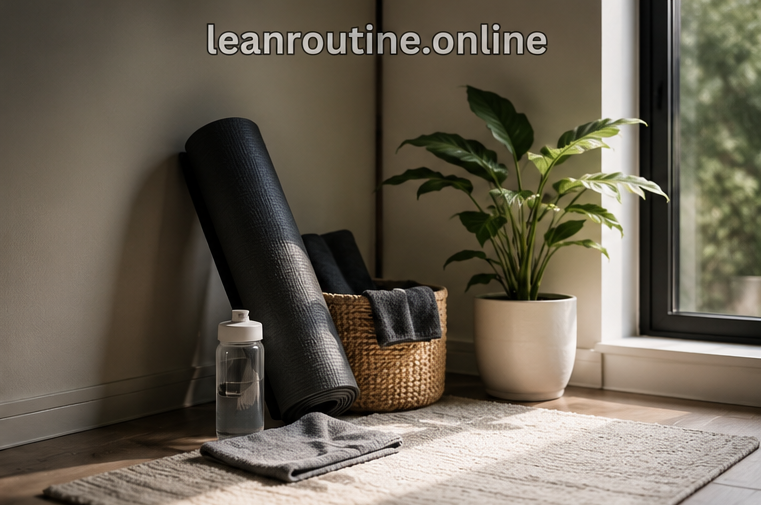
If the floor feels cold or hard, workouts become mentally exhausting faster. Even simple stretches start feeling annoying. You don’t necessarily need a fitness mat either. A folded blanket, carpet corner, or thicker towel can already improve the experience.
One thing many people notice after a few weeks is wrist discomfort during floor exercises. Usually the problem isn’t weak wrists. It’s the surface underneath.
Lighting also affects energy more than people realize.
Dark corners make workouts feel sluggish. Extremely bright white lighting can feel strangely draining during early morning sessions. Natural light usually works best, especially for shorter home workouts.
There’s also a psychological effect when the workout space feels visually alive. Even a small plant or open curtain can make the area feel less temporary.
This becomes important on low-motivation days.
Because honestly, most home workouts don’t fail during the first week. They fail after the novelty disappears.
That’s why people who build sustainable routines often focus on environment first. The workout itself becomes easier once the space feels comfortable enough to return to regularly.
If you’re trying to build a realistic routine around busy schedules, this guide on home workout habits for busy professionals explains why simpler systems usually last longer.
The Biggest Problem Is Usually Noise and Interruptions
Many people think they lack discipline when the real problem is constant interruption.
You start exercising, then someone walks past. Notifications appear. The TV is running in the background. Suddenly the session feels fragmented.
A simple home workout space should reduce decision fatigue.
That doesn’t mean silence is required. It just means the environment should make focus easier instead of harder.
One practical thing that helps is setting visual boundaries even in shared spaces. This sounds small, but it works surprisingly well.
For example:
- placing a towel on the floor before starting
- turning a lamp toward the area
- facing away from the TV
- keeping water nearby before beginning
These tiny signals tell your brain the space has temporarily changed function.
Without them, the area still feels like a living room or bedroom. Not a workout zone.
Another overlooked issue is noise from your own movement.
People in apartments often avoid jumping exercises because they worry about disturbing neighbors. Over time this creates guilt around workouts, which slowly kills consistency.
The better solution is choosing quieter movements instead of forcing high-impact routines.
Slow squats. Glute bridges. Wall sits. Controlled mountain climbers. These are effective and much easier to sustain in small homes.
A lot of workout plans online ignore this reality. They assume everyone can jump around freely for 40 minutes.
Most people can’t.
Keep the Setup Visible, Not Hidden
There’s a common mistake people make after cleaning up their home workout area. They hide everything.
The mat goes into a closet. The towel disappears into storage. The workout clothes stay folded somewhere far away.
It sounds organized, but it creates resistance.
When setup takes too many small steps, motivation drops faster than expected. Especially after work when mental energy is already low.
One reason successful home workout habits stick is because the setup remains partially visible.
Not messy. Just accessible.
For example:
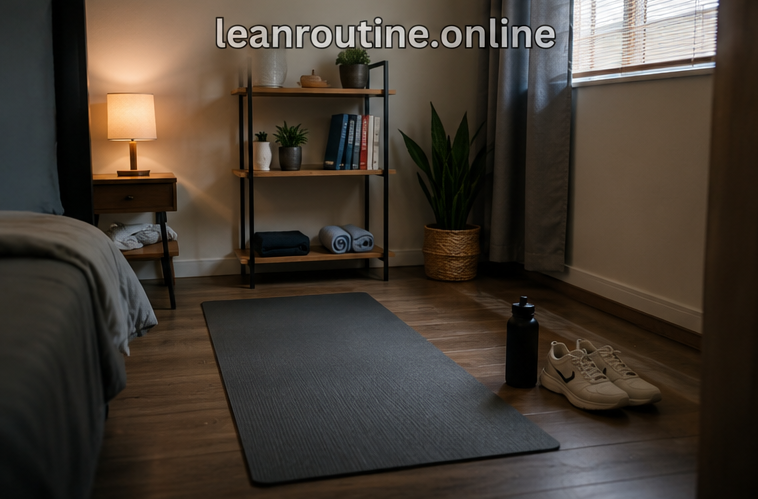
- keeping shoes near the workout area
- leaving the mat rolled beside a wall
- placing a water bottle nearby
- storing workout clothes within reach
These cues reduce startup friction.
And honestly, startup friction is where most routines die.
People often think consistency depends on willpower. In reality, convenience plays a bigger role than motivation.
This becomes obvious during stressful weeks. When energy is low, the brain automatically looks for the easiest option available.
If exercising requires rearranging furniture and searching for equipment, it starts feeling bigger than it actually is.
A simple home workout space should make beginning feel almost automatic.
Small Spaces Work Better Than People Expect
There’s an assumption that bigger spaces create better workouts. Sometimes the opposite happens.
Large empty areas can actually feel intimidating, especially for beginners. Small workout corners often feel safer and easier to commit to.
This is why many people accidentally build stronger habits in tiny apartments than in large houses.
The space feels manageable.
There’s also less pressure to create perfect workouts. You stop trying to imitate gym environments and start focusing on movement itself.
One overlooked benefit of small workout spaces is faster cleanup. After exercising, resetting the area only takes a minute or two. That matters more than people think.
When cleanup feels exhausting, the brain slowly associates workouts with extra chores.
Another thing people notice later is how temperature affects consistency.
Tiny spaces heat up quickly during exercise. At first this feels motivating. After a while it can become uncomfortable, especially in humid climates.
A simple standing fan or open window often helps more than buying new workout gear.
Again, the solution usually isn’t more equipment. It’s fewer annoyances.
That pattern shows up repeatedly in home fitness.
Make the Space Support Your Routine, Not Your Fantasy
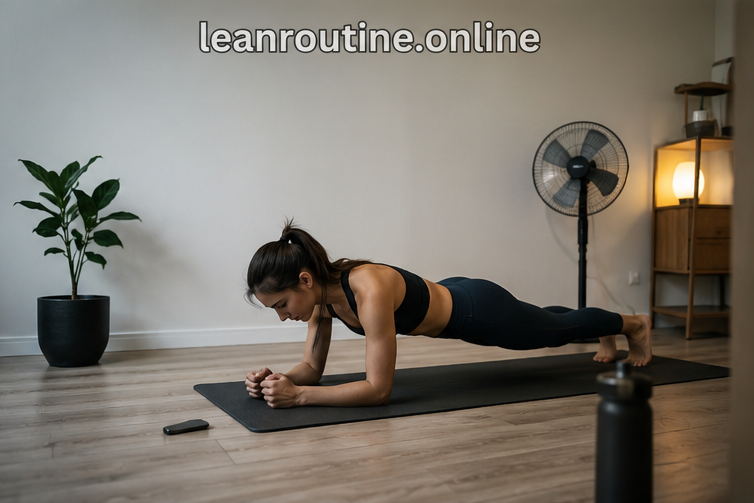
A lot of home workout spaces are built around unrealistic expectations.
People imagine training every morning at 5 AM. Or doing intense one-hour workouts daily. So they create setups that look ambitious but don’t match real life.
Then the routine collapses after two weeks.
The better approach is designing around your actual habits.
If you usually exercise at night, make the lighting comfortable for evenings. If you only have 15 minutes between meetings, keep the space ready for quick sessions.
This sounds obvious, but many people unconsciously build for their “ideal self” instead of their real schedule.
That gap creates frustration.
One surprisingly effective habit is lowering the emotional pressure attached to the space.
Not every session needs to feel productive. Some days you might only stretch for ten minutes. That still counts.
The people who maintain home workout routines for years are rarely the most intense. They’re usually the ones who made exercise feel easy to return to after busy days, stressful weeks, or periods of low motivation.
And most of that starts with the environment.
A simple home workout space doesn’t need expensive equipment, perfect aesthetics, or lots of room. It just needs to reduce enough friction that showing up becomes normal instead of exhausting.