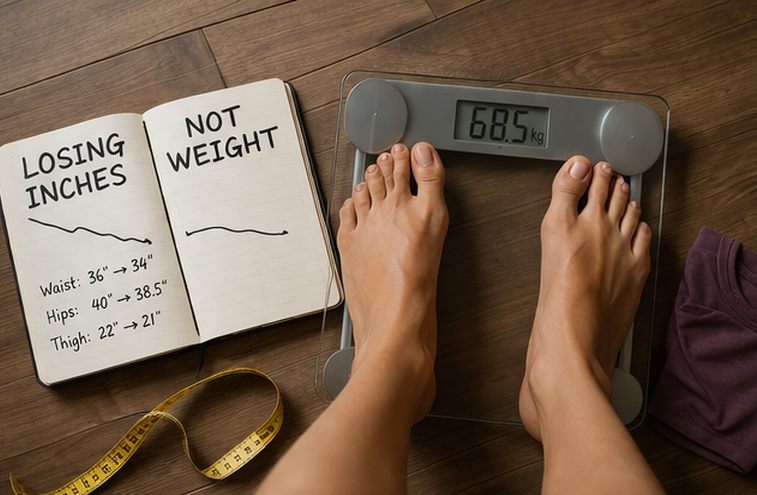
leanroutine.online – For busy professionals, finding time to work out at home can feel like negotiating with an already overloaded calendar. Meetings, deadlines, family responsibilities, and mental fatigue often leave little room for structured exercise. Yet when weight gain starts affecting energy levels, confidence, or overall health, the question becomes urgent: how many days a week should you realistically work out at home to lose weight safely
The answer is not one-size-fits-all. It depends on your current fitness level, schedule flexibility, recovery capacity, and long-term goals. However, there are evidence-based principles that can help you determine a sustainable weekly routine without overtraining or risking burnout.
Below, we break down what works, what’s realistic for busy adults, and how to structure a safe and effective home workout schedule.
Why Frequency Matters More Than Intensity
When professionals decide to work out at home, the initial instinct is often to make up for lost time by doing intense sessions a few days a week. While high-intensity workouts can be effective, frequency plays a more critical role in safe and sustainable weight loss.
Weight loss depends largely on consistent calorie expenditure combined with appropriate nutrition. Exercising once or twice per week, even at high intensity, is rarely enough to create meaningful and lasting changes. On the other hand, moderate sessions performed consistently throughout the week tend to produce better long-term results.
Consistency builds habit. Habit builds momentum. And momentum leads to sustainable fat loss.
The General Guideline: 3–5 Days Per Week
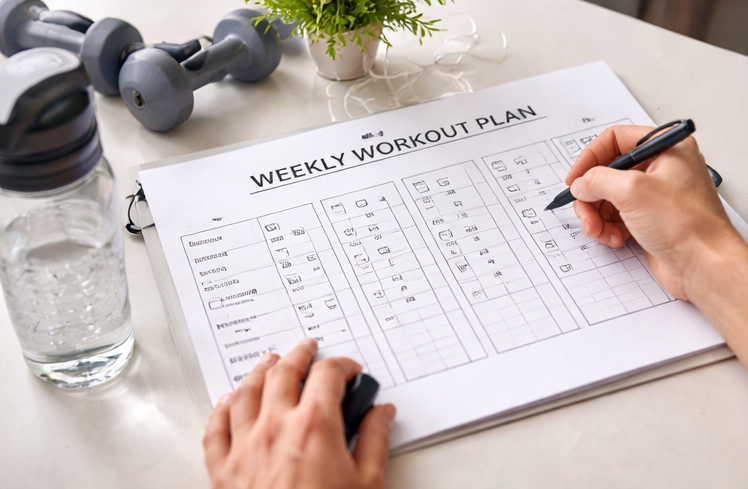
For most busy professionals, the safe and effective range to work out at home for weight loss is three to five days per week.
Here’s how that typically breaks down:
3 Days per Week: The Minimum Effective Dose
If your schedule is extremely tight, three structured sessions per week can still deliver results, provided they are well-designed and progressive.
A three-day routine works best when:
You include full-body strength training
Sessions last 30–45 minutes
You maintain daily movement outside workouts (walking, taking stairs, etc.)
This schedule is often ideal for beginners or those returning after a long break. It allows enough recovery time and reduces the risk of injury.
However, weight loss may progress more slowly compared to higher frequencies.
4 Days per Week: The Balanced Approach
Four days per week is often the sweet spot for professionals balancing work and health.
With four sessions, you can:
Combine strength and cardio more effectively
Increase overall calorie burn
Improve muscle tone and metabolic rate
Maintain adequate recovery
For example:
2 strength-focused days
1 cardio-focused day
1 mixed or interval session
This approach creates steady progress without overwhelming your weekly schedule.
5 Days per Week: Accelerated but Sustainable
Five days per week can produce faster fat loss if managed properly. However, the intensity must be controlled to avoid overtraining.
At this frequency:
Not every workout should be intense
Active recovery sessions (light mobility, stretching, low-impact cardio) are important
Sleep and nutrition become critical
For many professionals, five days works best when sessions are shorter—around 20–30 minutes—rather than long and exhausting.
Why 6–7 Days Is Usually Not Ideal
While daily movement is encouraged, structured workouts seven days per week are rarely necessary for weight loss and can even backfire.
Busy professionals already experience high stress from work. Adding daily intense workouts may:
Increase cortisol levels
Disrupt recovery
Reduce motivation
Increase injury risk
Weight loss is not about punishment it’s about building a sustainable rhythm.
The Role of Workout Type in Weekly Frequency
How often you should work out at home also depends on what kind of workouts you’re doing.
Strength Training
Strength training 2–4 times per week is ideal for fat loss. Building muscle increases resting metabolic rate, meaning your body burns more calories even at rest.
Bodyweight exercises such as:
Squats
Push-ups
Lunges
Planks
Glute bridges
are highly effective when performed consistently.
Cardio Training
Cardio helps increase calorie expenditure and supports heart health. For weight loss, 2–3 moderate cardio sessions per week are typically sufficient.
Examples include:
Brisk walking indoors
Stair climbing
Jump rope
Low-impact aerobic routines
Combining strength and cardio within the same week yields the best results.
High-Intensity Interval Training (HIIT)
HIIT is efficient but demanding. Two sessions per week are usually enough. More than that may compromise recovery, especially for those managing work-related stress.
How to Structure a Safe Weekly Plan

If you’re unsure where to start, a simple weekly structure might look like this:
Option A (4 Days):
Monday: Full-body strength
Wednesday: Cardio or HIIT
Friday: Strength training
Saturday: Light cardio or mobility
Option B (5 Days Short Sessions):
Monday: Strength (upper body)
Tuesday: Light cardio
Wednesday: Strength (lower body)
Thursday: Rest or mobility
Friday: HIIT
Weekend: Optional active recovery
For a complete overview of how to design sessions without gym equipment, refer to the main guide on Home Workout for Weight Loss Plans, which explains exercise selection, progression, and scheduling in greater depth.
The Recovery Factor: Often Overlooked

Weight loss doesn’t happen during the workout it happens during recovery. When you work out at home, especially using strength training, muscle fibers undergo stress and need time to rebuild.
Adequate recovery includes:
7–8 hours of sleep
Hydration
Balanced nutrition
At least 1–2 rest days per week
If you feel constantly fatigued, irritable, or sore, you may be training too frequently or too intensely.
Safe Rate of Weight Loss for Professionals
For most adults, safe weight loss ranges from 0.5 to 1 kg (1–2 pounds) per week. Attempting faster loss by drastically increasing workouts can lead to:
Muscle loss
Hormonal disruption
Increased cravings
Reduced adherence
A moderate 3–5 day weekly routine supports gradual, maintainable progress.
The Importance of Daily Movement Beyond Workouts
Even if you work out at home four times per week, prolonged sitting can reduce overall calorie expenditure.
Busy professionals should aim to:
Stand periodically during work hours
Take short walking breaks
Use stairs instead of elevators
Incorporate light stretching
These small movements accumulate and support weight loss without additional stress.
For more ideas on integrating movement into a tight schedule, you may also find helpful strategies in
How to Stay Active When You Have a Sedentary Office Job, which complements a structured home workout routine.
Signs You’ve Found the Right Weekly Frequency
You’re likely training at the right frequency if:
You feel challenged but not exhausted
You can maintain the routine for several weeks
Your energy levels remain stable
You experience gradual fat loss
Your sleep quality remains good
Sustainability is the ultimate benchmark.
Adjusting Frequency Over Time
Your optimal weekly workout frequency may change depending on:
Workload intensity
Travel schedules
Stress levels
Fitness improvements
During busy periods, maintaining three sessions per week is better than stopping entirely. During lighter weeks, you may increase to four or five sessions if recovery allows.
Flexibility prevents all-or-nothing thinking.
Practical Takeaway for Busy Professionals
If you are trying to lose weight safely and sustainably, aim to work out at home at least three days per week, ideally four to five days if your schedule and recovery allow.
Prioritize:
Consistency over intensity
Balanced strength and cardio
Recovery and sleep
Gradual progression
Weight loss for professionals is not about dramatic transformations in short timeframes. It’s about building a realistic rhythm that fits within your career, family life, and long-term health goals.
When exercise becomes a structured yet manageable part of your weekly routine, the results follow—not just on the scale, but in energy, focus, and overall well-being.