leanroutine.online – Discover a simple home fat loss strategy for busy office workers that fits tight schedules, improves consistency, and helps burn fat without gym time.
You do not usually notice fat gain all at once. It starts with tighter pants after long workweeks, skipped workouts that turn into skipped months, and the quiet habit of sitting longer than moving. Many office workers keep telling themselves they will fix it next Monday, but the weight often stays while energy slowly drops.
Mornings often start with good intentions. You promise yourself this week will be different. You will finally work out after office hours, eat better, and stop feeling heavy after climbing stairs or sitting too long. Then meetings run late, deadlines pile up, and by evening, the plan disappears before it even starts.
That is where most fat loss attempts quietly fail. The issue is rarely motivation. Most busy workers already know they should move more and eat better. The real problem is that many fat loss plans expect gym-level energy from people who already spend eight to ten hours mentally drained behind a desk.
A practical home fat loss strategy should not feel like another job after work. It should fit into real routines, especially for people who skip breakfast, snack during deadlines, sit too long, and often feel too exhausted for long workouts even before dinner starts.
Start With Short Workouts That Remove Friction
A common mistake is thinking fat loss begins with long workouts. Many busy workers try 45-minute routines, then quit after three days because it becomes hard to sustain.
At home, consistency matters more than workout length.
A 15 to 20-minute session can be enough if the movement is efficient. Bodyweight squats, incline push-ups, lunges, step-ups, and brisk marching in place can raise heart rate without complicated equipment.
What often gets ignored is transition time. Driving to a gym, changing clothes, waiting for machines, and getting home can quietly turn a short workout into a 90-minute task. That hidden time is why many routines collapse.
A simple home setup removes that barrier.
Try splitting movement into smaller blocks:
- 10 minutes before work
- 10 minutes after work
- 5 minutes of walking after dinner
This feels smaller mentally, so it becomes easier to repeat.
Many people also start too aggressively. Sore legs on day two can kill momentum. Starting slightly below your maximum effort usually works better for long-term fat loss.
Fix The Sitting Problem Before Chasing Harder Exercise

Office workers often underestimate how much sitting slows daily energy output.
Even if someone exercises for 20 minutes, sitting for 8 to 10 hours can reduce total movement across the day. The body gradually adapts to low activity.
That is why some people say they work out but still see little change.
The small fix is not dramatic. It is frequent movement.
Stand during calls. Walk while reviewing notes. Stretch while waiting for files to upload. Use stairs when possible.
These micro habits seem too small to matter. Over weeks, they add surprising value.
One overlooked issue is mental fatigue. After staring at screens all day, people confuse tired brains with tired bodies. They feel exhausted, but physically they may still benefit from light movement.
A 7-minute walk often feels easier than forcing a hard workout.
If structured movement feels difficult, combining short training sessions with a broader routine like this home workout plan for weight loss can improve consistency without making the process feel heavy.
Build Meals Around Hunger Control, Not Perfection
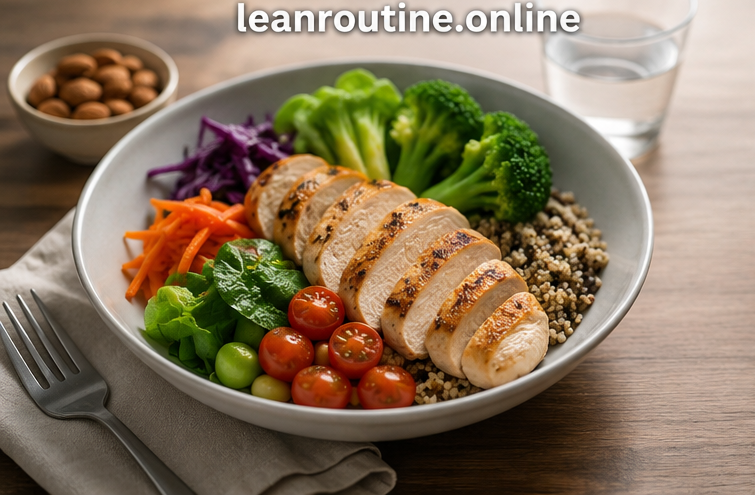
Food usually becomes harder than exercise.
Busy workers often eat in patterns that feel harmless:
coffee first, large lunch, random snacks, heavy dinner.
Then they wonder why body fat stays.
The issue is often hunger swings.
A useful home fat loss strategy is designing meals that reduce overeating naturally.
Start with protein and fiber:
- eggs
- yogurt
- chicken
- tofu
- lentils
- vegetables
- oats
- fruit
These foods often improve fullness.
A common hidden problem is reward eating after work. Someone survives a stressful day, then unconsciously overeats because dinner feels like emotional relief.
This usually appears after a few weeks of work stress.
Instead of chasing strict dieting, create predictable meals.
For example:
Breakfast: eggs and fruit
Lunch: rice, vegetables, lean protein
Snack: yogurt or nuts
Dinner: balanced portion with protein first
Perfection is rarely sustainable. Predictability often is.
Use Low-Energy Days Instead Of Skipping Everything
One major fat loss mistake is all-or-nothing thinking.
People assume if they cannot do a full workout, the day is lost.
That mindset quietly destroys consistency.
Some evenings are genuinely exhausting. Deadlines, traffic, poor sleep, or family tasks reduce energy.
Instead of skipping, use a low-energy version.
Examples:
- 10-minute walk
- light stretching
- slow squats
- mobility work
- short stair climbing
- standing desk movement
This protects routine memory.
The body responds well to repeated behavior.
A small but useful observation: motivation often returns after starting. Many workers feel too tired before moving, then feel more awake after five minutes.
The hardest part is usually beginning, not finishing.
Still, low-energy movement is not always enough. If calorie intake stays high and sleep stays poor, fat loss may slow. Activity supports the process, but recovery and eating habits matter just as much.
Focus On Weekly Trends, Not Daily Weight Changes

Daily weighing can confuse people.
One salty dinner, poor sleep, or stress-heavy week can shift water retention. Then people assume their effort failed.
That creates frustration.
A better home fat loss strategy is tracking trends.
Check:
- waist measurement
- weekly body weight average
- energy level
- workout consistency
- clothing fit
Sometimes fat loss appears in smaller details first.
Pants fit slightly looser. Climbing stairs feels easier. Midday fatigue improves.
These signs often arrive before dramatic scale changes.
Another overlooked issue is unrealistic speed.
Many office workers gain weight slowly over years. Expecting major change in two weeks often leads to quitting early.
Steady progress feels boring, but boring routines usually survive longer.
The best fat loss plan for busy professionals is rarely extreme. It is often simple, repetitive, and easy enough to keep doing when life gets busy.
That is exactly why it works.