You tell yourself you’ll work out after work. Then a meeting runs late, dinner takes longer than expected, and suddenly it’s 9:40 PM with zero motivation left.
That cycle happens more often than most people admit. The problem usually isn’t laziness. It’s that many workout plans quietly assume people have extra time and energy lying around.
A good 20 minute home workout works differently. It fits into real schedules. It doesn’t require perfect discipline. And most importantly, it doesn’t leave you feeling like fitness became another exhausting task on your to-do list.
Why Most Quick Workouts Fail After Two Weeks
A lot of short workouts look effective on paper. The issue is they often feel too intense for everyday life.
People start with motivation. They follow a high-energy video that promises fast results. For the first few days it feels exciting. Then the soreness hits during morning meetings or climbing stairs suddenly feels annoying.
That’s usually when consistency breaks.
The hidden problem with many quick fat-burning workouts is recovery. Busy professionals already deal with mental fatigue all day. If every session feels like punishment, your brain starts avoiding it without you realizing.
A better 20 minute home workout focuses on sustainability first.
That means:
- moderate intensity
- minimal setup
- low friction
- movements that don’t destroy your energy afterward
One small detail people rarely mention is transition time. Workouts with complicated circuits often waste several minutes switching positions or finding equipment. It sounds minor, but it quietly kills momentum.
Simple movement flow matters more than people think.
The Workout Structure That Fits Real Schedules
The routines people actually stick to are usually boring in the best possible way.
Not flashy. Not extreme. Just repeatable.
A practical 20 minute home workout often follows this structure:
1. Five-Minute Activation
This part matters more after age 25 than most expect.
If you sit for hours every day, jumping straight into intense movement feels terrible. Hips feel tight. Shoulders click. Your lower back starts doing work it shouldn’t.
A short activation phase helps your body wake up:
- arm circles
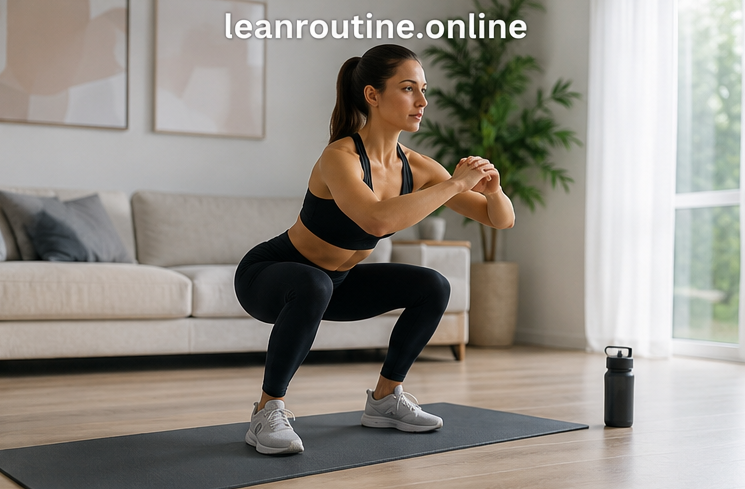
- bodyweight squats
- hip openers
- light marching
- shoulder rolls
It also mentally shifts you out of work mode.
A surprising thing many notice after a few weeks is that the warm-up becomes the habit trigger. Once you start moving, finishing the workout feels easier.
2. Twelve Minutes of Compound Movements
This is where efficiency matters.
Compound exercises train multiple muscle groups together:
- squats
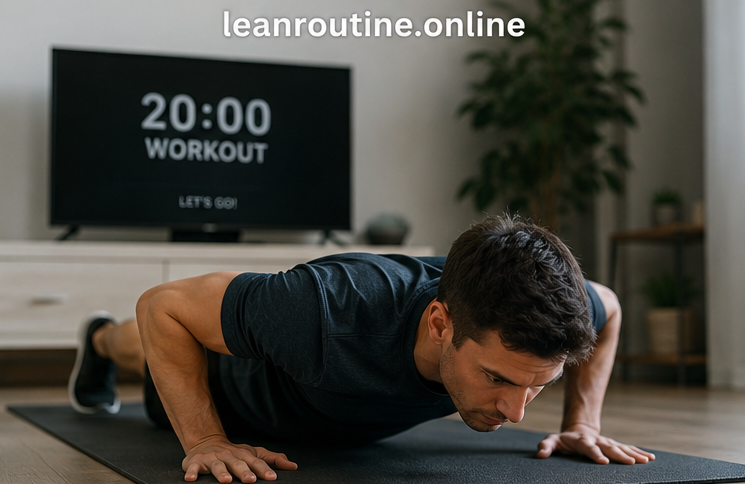
- push-ups
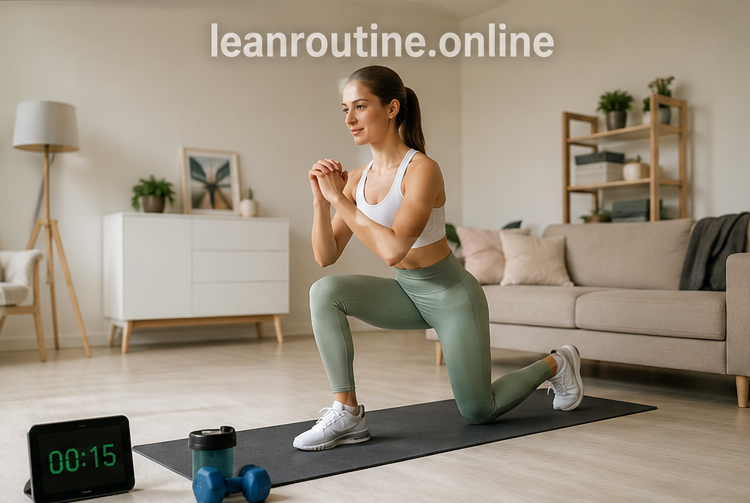
- lunges
- glute bridges
- planks
These movements burn more energy without requiring long sessions.
One mistake people make is adding too many exercises. They think variety keeps workouts interesting. In reality, too much variety makes routines harder to remember and easier to skip.
Repeating familiar movements often improves consistency faster than constantly changing programs.
If your main goal is fat loss and sustainability, routines like those in simple weight loss home workout plans usually work better than advanced split programs that demand strict scheduling.
3. Three-Minute Cooldown
Most people skip this part because the workout already feels short enough.
Ironically, cooldowns help make tomorrow’s workout more likely.
A quick stretch lowers tension in the hips and chest, especially after long desk hours. It also creates a psychological finish line instead of abruptly stopping and immediately checking emails again.
That small mental separation helps more than expected.
The Real Secret Is Reducing Friction
People often search for the best workout. But adherence usually depends on tiny environmental details.
For example:
- clothes already prepared
- workout space already clear
- no equipment setup
- no complicated app login
- no decision-making
The fewer steps between you and movement, the more consistent you become.
One overlooked issue is workout identity. Many professionals accidentally choose routines designed for fitness enthusiasts instead of normal daily life.
There’s a difference.
Fitness content online often rewards intensity because intensity looks impressive on camera. But sustainable fitness usually feels quieter.
A realistic 20 minute home workout should leave you feeling:
- more awake
- slightly challenged
- mentally lighter
Not destroyed.
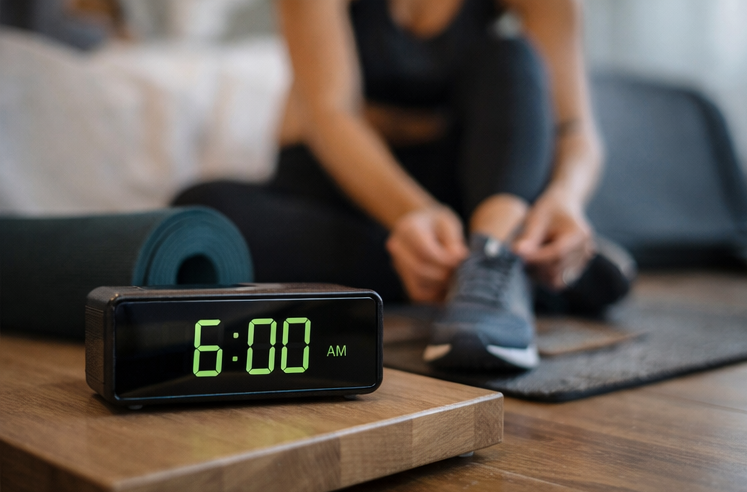
Another thing people rarely notice is timing. Morning workouts sound productive, but they’re not ideal for everyone. Some people move terribly at 6 AM and end up hating exercise because of it.
Consistency matters more than “optimal” timing.
For many professionals, the sweet spot is:
- before showering after work
- right after logging off
- before dinner but after a mental reset
The exact timing matters less than attaching the workout to an existing routine.
Small Mistakes That Quietly Ruin Progress
Sometimes the workout itself isn’t the issue. The surrounding habits are.
One common mistake is expecting visible body changes too quickly.
After one or two weeks, people start checking mirrors constantly. When dramatic changes don’t appear, motivation drops. But the first real improvements are usually less visible:
- less afternoon sluggishness
- easier stair climbing
- improved sleep
- fewer back aches
- better focus
Those changes happen earlier than aesthetic results.
Another mistake is training too hard on stressful days.
This sounds counterintuitive because many people use workouts to make up for bad eating or missed sessions. But overly intense workouts during high-stress weeks often increase fatigue and reduce recovery.
Busy professionals usually benefit more from maintaining rhythm than maximizing intensity.
A shorter session done consistently beats occasional heroic workouts.
There’s also the issue of unrealistic calorie expectations.
A 20 minute home workout helps create momentum and improve overall activity levels. But many people unknowingly erase progress through reward eating afterward.
You finish exercising and suddenly feel like ordering oversized comfort food because you earned it.
That habit is incredibly common.
The workouts that work long term are often paired with small lifestyle shifts instead of extreme dieting:
- walking more
- reducing liquid calories
- improving sleep
- eating more protein
- controlling late-night snacking
Those boring adjustments quietly matter more.
Why Short Workouts Often Work Better For Professionals
Long workouts sound productive. But mentally, they can become overwhelming.
When your brain sees exercise as a one-hour commitment, it starts negotiating:
- maybe tomorrow
- maybe after this project
- maybe on the weekend
Short workouts reduce resistance.
That psychological effect is stronger than many realize.
A 20 minute home workout feels manageable even on busy days. And once people maintain consistency for several weeks, something interesting happens: exercise stops feeling like a major event.
It becomes part of normal life.
That shift changes everything.
There’s also less recovery debt. Long exhausting sessions often make professionals feel drained during work hours. Shorter workouts usually improve energy instead of competing with it.
Another underrated advantage is flexibility.
Missed one day? No big deal.
Missed a one-hour gym session with commute time? That often creates guilt, schedule disruption, and eventually abandonment.
Smaller routines recover faster from imperfect schedules.
That’s why many people who failed multiple gym programs suddenly succeed with simpler home workouts. The plan finally matches their real life instead of an ideal version of it.
The Best 20-Minute Routine Is The One You Don’t Overthink
People spend weeks researching workouts when the bigger issue is inconsistency.
The truth is most effective routines share similar fundamentals:
- regular movement
- progressive effort
- enough recovery
- realistic scheduling
The difference usually comes from usability.
If your workout needs perfect motivation, expensive equipment, or huge mental effort every day, it probably won’t last.
A sustainable 20 minute home workout should feel easy to start even when your day already feels full.
That’s the part many fitness articles ignore.
Real progress often comes from routines that feel almost too simple at first. Then months later, you realize:
- your posture improved
- your energy stabilized
- your body feels lighter
- workouts stopped feeling intimidating
And strangely enough, that’s usually when people finally stay consistent.