Most people start doing crunches because they want a stronger stomach. A few weeks later, their neck hurts, their lower back feels tight, and the results barely show up. That part usually catches people off guard.
The frustrating thing is that you can train your core consistently and still miss the muscles that actually keep your body stable. A lot of home workouts focus too much on feeling the burn and not enough on how the core works in real life.
If you want to improve core strength at home, the answer is often less about doing more reps and more about changing the kind of tension your body learns to handle.
Your Core Does More Than Just Bend Forward
One reason crunches disappoint people is simple. Your core is not designed only for curling your body upward.
In daily life, your core mostly stabilizes. It keeps you balanced when carrying groceries, protects your spine while lifting something awkward, and helps transfer force when you walk fast or climb stairs. That’s why someone can do 100 crunches and still feel unstable during basic movements.
A stronger core usually comes from resisting movement, not creating it repeatedly.
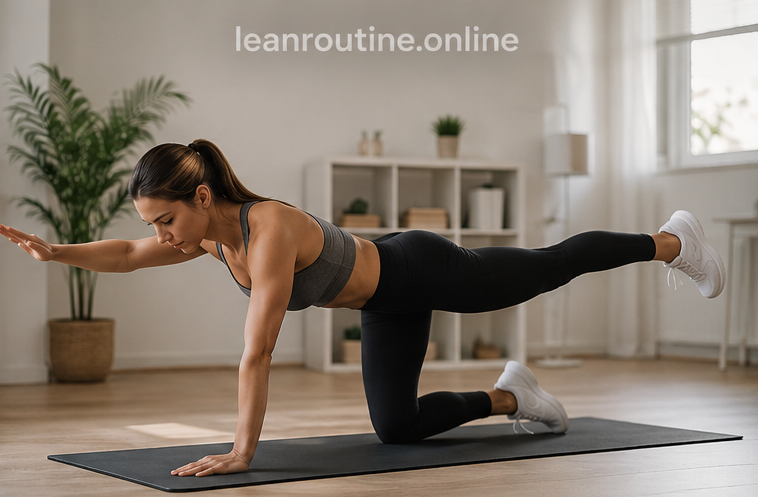
Exercises like planks, dead bugs, and bird dogs train this much better because they teach the torso to stay controlled while the arms and legs move around it. That control becomes noticeable after a few weeks. People often realize their posture improves before their abs even look different.
One small mistake many beginners make is holding their breath during core exercises. It creates tension, but not the useful kind. Proper breathing helps the deep core muscles activate naturally. You can feel the difference during slower movements.
If your goal is overall fitness at home, combining core work with full-body movement matters more than isolating abs every day. That’s also why routines like this home workout plan for weight loss tend to work better long term than random ab challenges.
The Biggest Problem Is Usually Hidden Weakness Around the Hips
A weak core is not always just a stomach problem.
Sometimes the hips and glutes are doing almost nothing, so the lower back starts compensating. That’s when people feel soreness in the wrong places after ab workouts.
You can notice this during exercises like leg raises. Instead of controlled movement, the lower back arches hard and takes over. It feels intense, but mostly because the body is fighting instability.
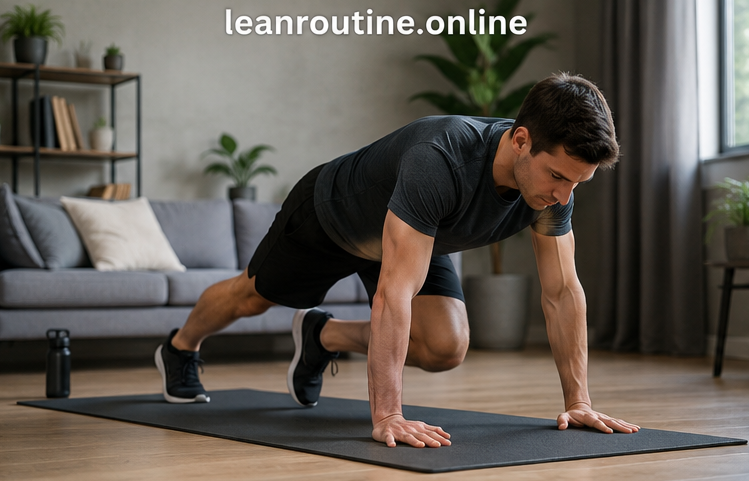
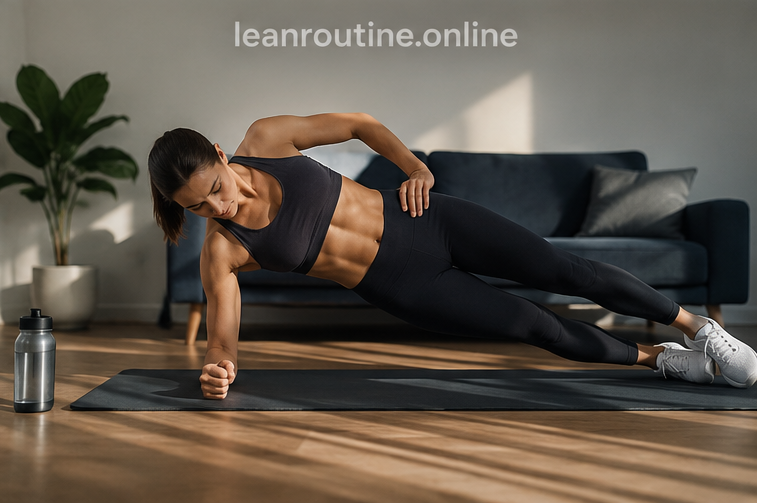
This is why glute bridges, side planks, and slow mountain climbers help more than people expect. They connect the hips and torso together instead of isolating one area.
Side planks are especially underrated. Many people train only the front of the core and completely ignore lateral stability. Then they wonder why their body still feels weak during twisting or carrying movements.
Another overlooked detail is fatigue. Core muscles stop engaging properly when form gets sloppy. Doing quick reps until exhaustion usually trains compensation patterns instead of real stability.
A slower set with good tension often works better than long circuits.
Why Fast Ab Workouts Stop Working After a While
At first, almost any workout feels effective. You sweat, your muscles shake, and everything feels productive.
Then progress stalls.
This happens because the body adapts quickly to repetitive core routines. Five-minute ab videos can help beginners, but many people stay stuck doing the same movements for months.
The real change happens when exercises become progressively harder in subtle ways.
For example:
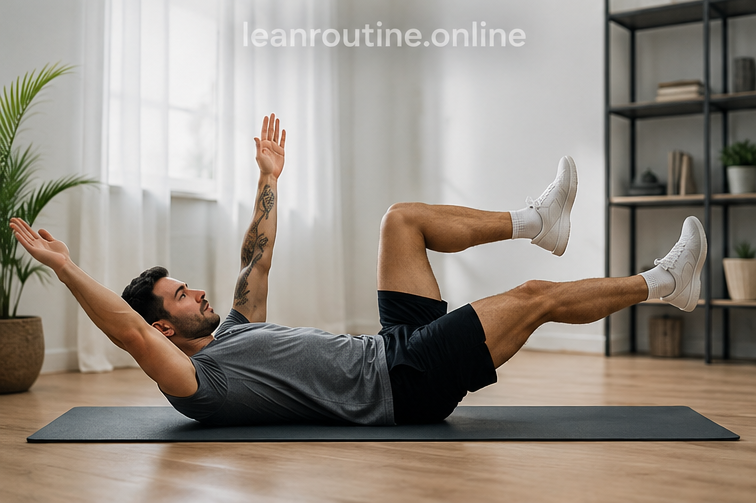
- extending the lever during dead bugs
- slowing down plank shoulder taps
- increasing time under tension
- adding uneven balance
These adjustments force the core to stabilize under more realistic demands.
One thing people rarely talk about is how morning workouts affect core performance differently. Early in the day, the spine tends to be stiffer after sleeping. Aggressive bending exercises can feel uncomfortable during that period. Stability-focused movements usually feel safer and smoother.
That detail sounds minor, but it becomes noticeable after consistent training.
You also do not need marathon sessions. Many people improve core strength faster with shorter workouts done four times weekly than one brutal workout every weekend.
Consistency beats intensity almost every time with core training.
Everyday Movement Quietly Shapes Your Core Strength
Some people train abs constantly but spend the rest of the day collapsed into a chair. That combination slows progress more than they realize.
Core strength is partly built through repeated daily positioning.
If your posture constantly shifts into an unsupported slouch, your body gradually relies on passive structures instead of muscular control. Then workouts have to fight against hours of poor positioning.
Small habits matter:
- standing up without using momentum
- carrying bags evenly
- controlling rotation while reaching
- walking with better posture
These sound basic, but they reinforce stability patterns throughout the day.
One interesting thing many people notice after improving core stability is reduced tension in unrelated areas like the shoulders or hip flexors. The body stops overworking smaller muscles to compensate for instability.
That’s also why strength-focused training tends to support fat loss better than endless cardio alone. Building control and muscle coordination changes how the body moves overall. Programs centered around building strength at home without equipment usually create more sustainable results because they improve movement quality, not just calorie burn.
The Ab Burn Is Often Misleading
A lot of people judge core workouts by one thing: how much their abs hurt afterward.
That can be misleading.
Some highly effective core exercises barely create soreness. Pallof presses, carries, and controlled anti-rotation drills often feel easier during the workout but improve stability much more over time.
The problem is that social media has trained people to associate suffering with effectiveness.
In reality, the core responds well to controlled tension and repetition over time. Constantly chasing exhaustion can irritate the lower back or hip flexors instead.
One common example is bicycle crunches done too fast. People swing through reps using momentum while the neck strains forward. It looks intense, but the core is barely controlling the movement.
Slowing the pace completely changes the exercise.
There’s also a mental side to this. Many people unconsciously suck in their stomach throughout the day thinking it strengthens the core. Usually it just creates tension and shallow breathing. Real core engagement feels more natural and connected to breathing rhythm.
Once people understand that, exercises start feeling more stable instead of chaotic.
A Simple Home Structure That Actually Works
You do not need complicated programming to improve core strength. What matters is balance.
A practical weekly structure could look like this:
Day 1: Stability Focus
- plank variations
- bird dogs
- dead bugs
- side planks
Day 2: Full-Body Strength
- squats
- push-ups
- glute bridges
- slow mountain climbers
Day 3: Recovery and Movement
- walking
- stretching
- mobility work
Day 4: Dynamic Core Control
- bear crawls
- plank shoulder taps
- standing knee drives
- controlled reverse lunges
This kind of setup works because the core gets trained through multiple functions instead of one repetitive movement pattern.
Another detail that helps more than expected is training barefoot occasionally at home. Better foot contact improves balance feedback, which affects how the core stabilizes during movement. Many people notice stronger engagement during planks and standing exercises almost immediately.
And if lower body stability is weak, core progress usually slows too. The hips, legs, and torso work together more than most people think. Exercises designed for lower body fat loss at home often improve core activation indirectly because they train balance and controlled movement under load.
At the end of the day, the people who successfully improve core strength are rarely the ones doing the fanciest exercises. They are usually the ones who stay consistent, move with control, and stop treating the core like it only exists for visible abs.