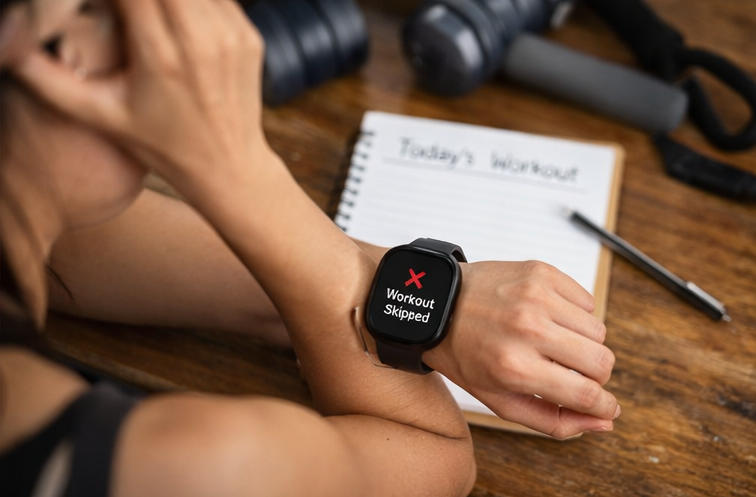
leanroutine.online – Feeling tired after home workouts is common; this guide explains why it happens and how to recover effectively without undermining progress.
Feeling tired after home workouts can be confusing, especially if your routine seems moderate and manageable. You finish a 30-minute session in your living room no commute, no heavy gym machines yet an hour later you feel drained, foggy, or unusually sore.
This fatigue isn’t necessarily a sign that something is wrong. In many cases, it reflects predictable physiological responses to exercise, amplified by the way home workouts are structured and layered onto daily life. Understanding why it happens and how to recover strategically can make the difference between steady progress and burnout.
Not All Fatigue Is the Same
Before adjusting your routine, it helps to distinguish between types of fatigue.
Acute Physical Fatigue
This is the immediate tiredness you feel during or right after exercise. It stems from:
Depleted muscle glycogen
Temporary nervous system strain
Accumulation of metabolic byproducts
Elevated heart rate and stress hormones
Acute fatigue is expected, particularly if your session includes high-intensity intervals, resistance circuits, or minimal rest.
Delayed-Onset Muscle Fatigue
Soreness and heaviness that show up 24–48 hours later are usually linked to microscopic muscle damage. This is common when:
You increase intensity
You introduce new movements
You extend time under tension
Home workouts often rotate bodyweight exercises like lunges, push-ups, and planks that challenge stabilizing muscles you may not use as intensely at the gym.
Systemic or Lifestyle Fatigue
This is where many people underestimate the issue. If you consistently feel tired after home workouts beyond normal soreness, broader factors may be at play:
Poor sleep
Calorie restriction
High work stress
Dehydration
Lack of rest days
Because home workouts are often added into already packed schedules, they may compound overall stress rather than balance it.
Why Home Workouts Can Feel More Draining Than Expected
At first glance, exercising at home should be less exhausting. There’s no commute, no waiting for equipment, and fewer social distractions. Yet several subtle factors can increase fatigue.
1. Limited Recovery Cues
In a gym setting, the environment creates natural transitions: driving home, showering in a locker room, or grabbing a post-workout snack. At home, you might:
Close your laptop
Start a workout
Immediately return to work or childcare
This compressed routine gives your nervous system little time to shift from “exercise stress” to recovery mode.
2. Higher Relative Intensity
Many home programs rely on:
High-rep bodyweight movements
Minimal rest intervals
Circuit-style training
Follow-along video workouts
Without heavy weights, intensity often comes from density doing more work in less time. That can elevate heart rate and stress hormones significantly.
For busy professionals following a structured plan such as a realistic at-home fat loss framework designed for working adults, the balance between efficiency and recovery becomes especially important. Efficient programming is beneficial, but stacking intense sessions too closely can accumulate fatigue.
3. Energy Deficit From Weight Loss Efforts
If your home workouts are part of a weight-loss strategy, calorie intake may already be reduced. A sustained deficit lowers:
Glycogen stores
Hormonal resilience
Recovery speed
Even a modest reduction of 300–500 calories per day can magnify post-workout fatigue, especially if protein intake or carbohydrate timing isn’t optimized.
4. Psychological Fatigue
Working from home blurs boundaries. When your workout space overlaps with your workspace, the body doesn’t always experience a psychological reset.
Mental strain from deadlines, constant notifications, and screen time can increase perceived exertion. The workout feels harder not only physically, but cognitively.
The Role of Sleep in Post-Workout Exhaustion
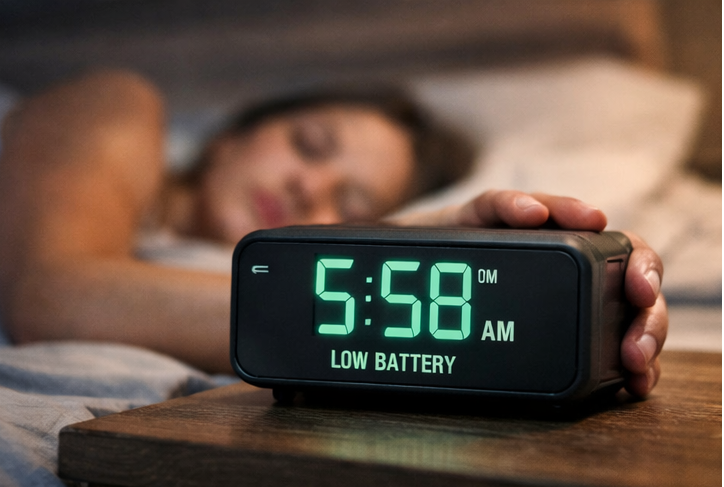
Sleep is often the hidden driver behind feeling tired after home workouts.
Exercise stresses the body in a controlled way. Recovery muscle repair, hormone regulation, nervous system reset occurs primarily during deep sleep. If sleep is shortened or fragmented:
Cortisol remains elevated
Growth hormone release declines
Muscle protein synthesis slows
Resting heart rate may stay elevated
Over time, inadequate sleep can blunt the benefits of training. There is growing evidence that disrupted sleep patterns may undermine adaptations, as explored in how chronic sleep issues interfere with long-term at-home training progress. Even well-designed workouts can feel draining if sleep debt accumulates.
In the United States, where average adult sleep duration often falls below the recommended 7–9 hours, this becomes a common but under-recognized factor.
Nutritional Factors That Amplify Fatigue

Nutrition doesn’t need to be extreme to influence recovery. Subtle imbalances can lead to disproportionate tiredness.
Carbohydrate Timing
Carbohydrates replenish glycogen. If you train:
First thing in the morning without fuel
After a long gap between meals
During aggressive calorie restriction
You may deplete glycogen faster than it can be restored.
This doesn’t mean high-carb diets are required, but strategic intake around training especially for moderate to high-intensity sessions can stabilize energy.
Protein Intake
Inadequate protein can prolong muscle soreness and slow recovery. For most active adults in the U.S., a practical target falls between 0.7–0.9 grams per pound of bodyweight per day, depending on total training volume and goals.
Hydration
Mild dehydration can increase perceived exertion and reduce blood volume, making workouts feel harder and recovery slower. Indoor home environments especially in heated or air-conditioned spaces can mask sweat loss.
When Fatigue Signals Overreaching
Occasional tiredness is normal. Persistent exhaustion may indicate overreaching.
Signs to monitor:
Elevated resting heart rate
Reduced performance across sessions
Irritability
Poor sleep despite fatigue
Lack of motivation
Home workouts are often marketed as short and efficient. But short sessions performed daily without adequate recovery can still overwhelm the system.
In the U.S., many busy professionals adopt “no days off” mentalities, especially when trying to compensate for sedentary work. Without structured rest, cumulative fatigue builds quietly.
How to Recover More Effectively
Recovery is not passive. It’s a set of deliberate behaviors that allow adaptation to occur.
1. Program Recovery Into Your Week
At least one or two low-intensity days per week can reduce accumulated stress. Options include:
Walking
Mobility sessions
Light cycling
Yoga
These support circulation without adding significant strain.
2. Improve Sleep Architecture
Rather than simply going to bed earlier, focus on:
Consistent sleep and wake times
Reducing screen exposure 60 minutes before bed
Limiting late caffeine
Keeping the bedroom cool and dark
Even a 30–45 minute increase in nightly sleep can noticeably reduce feeling tired after home workouts.
3. Adjust Workout Density
If sessions rely heavily on circuits and minimal rest, experiment with:
Extending rest intervals
Splitting strength and cardio into separate days
Reducing total weekly volume by 10–20%
Performance often improves after small reductions in load.
4. Reassess Calorie Deficit
If weight loss is the goal, extremely aggressive deficits may slow progress by impairing recovery and increasing fatigue-driven inactivity.
A moderate deficit typically supports better training consistency. In some cases, increasing calories slightly—especially carbohydrates around workouts reduces exhaustion without halting fat loss.
5. Monitor Biofeedback
Rather than relying solely on workout metrics, track:
Morning energy levels
Mood
Sleep quality
Appetite stability
These subjective signals often detect overload earlier than performance declines.
Special Considerations for Different Age Groups
Recovery capacity changes across life stages.
Adults in Their 20s and 30s
Higher recovery potential, but often compromised by:
Work stress
Social obligations
Sleep inconsistency
Fatigue is usually lifestyle-driven rather than physiological.
Adults 40 and Over
Recovery may slow due to:
Hormonal shifts
Reduced muscle mass
Increased joint stress
This doesn’t require lower ambition, but it may require more deliberate spacing of intense sessions and closer attention to protein intake and sleep.
The Balance Between Discipline and Sustainability
Feeling tired after home workouts isn’t inherently negative. It can reflect meaningful effort. The key distinction lies between:
Productive fatigue that resolves with rest
Persistent exhaustion that accumulates week after week
Home workouts are attractive because they remove logistical barriers. However, convenience can unintentionally encourage overuse. When exercise is always available, boundaries must be intentional.
Recovery is not a sign of weakness or reduced commitment. It is part of the adaptive cycle that makes training effective. By aligning intensity, nutrition, sleep, and scheduling with your actual lifestyle—not an idealized version you reduce the likelihood of chronic fatigue while preserving long-term progress.
Over time, consistency supported by recovery will produce more sustainable results than pushing through exhaustion.