leanroutine.online – Many beginners turn to HIIT at home because it promises fast weight loss without gym fees or complicated equipment. The appeal is obvious: short workouts, high calorie burn, and the flexibility to exercise anytime. But when those sessions are done without supervision, questions around safety quickly surface—especially for people who are new to structured exercise and eager to see rapid results.
This article focuses on one specific concern: whether HIIT at home is safe for beginners who want to lose weight quickly without professional supervision. Rather than repeating general workout advice, the discussion below looks closely at the risks, conditions, and practical considerations that shape safety in this exact situation.
Why HIIT Feels Attractive to Beginners Focused on Fast Weight Loss
High-Intensity Interval Training combines short bursts of intense effort with brief recovery periods. From a weight-loss perspective, it is often associated with efficient calorie expenditure and time savings. For beginners with busy schedules, this efficiency can feel like the ideal solution.
At home, HIIT removes additional barriers. There is no commute, no gym membership, and no perceived pressure from other people watching. Many beginners also feel more comfortable experimenting in a private space. This convenience, however, can mask an important reality: HIIT places high demands on the cardiovascular system, joints, and neuromuscular coordination.
When beginners chase speed—trying to lose weight as quickly as possible—the temptation is to push intensity before the body has adapted. Without a coach or trainer present, there is no external feedback to adjust form, pacing, or recovery. Safety then becomes less about the workout type itself and more about how it is executed.
What Safe Actually Means in the Context of HIIT at Home
Safety in home-based HIIT is not just about avoiding dramatic injuries. It includes several practical dimensions that beginners often overlook.
Physical safety is the most obvious: minimizing the risk of strains, joint irritation, or cardiovascular overload. But safety also involves sustainability. A routine that causes frequent soreness, fatigue, or minor injuries may technically work in the short term, yet it often leads to inconsistency or complete dropout.
There is also a psychological component. Beginners who associate exercise with discomfort, anxiety, or fear of injury may develop negative patterns around training. When workouts are unsupervised, these signals can go unnoticed or ignored in pursuit of fast weight loss.
In this context, asking whether HIIT at home is safe means asking whether it can be performed in a way that supports steady progress without creating unnecessary physical or mental setbacks.
Common Risk Factors for Beginners Doing HIIT Without Supervision

Several risk factors repeatedly appear when beginners attempt unsupervised HIIT at home. These factors are not universal, but they are common enough to deserve attention.
Limited Movement Experience
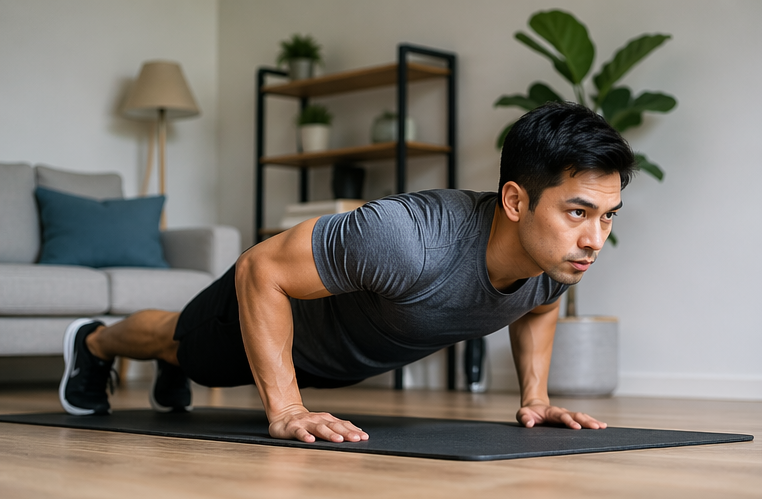
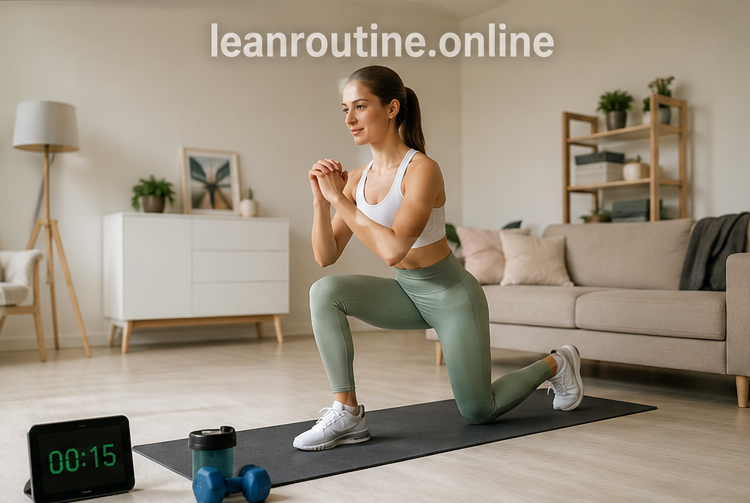
Many beginners lack experience with basic movement patterns such as squats, lunges, push-ups, or hip hinges. HIIT routines often string these movements together at speed. When form breaks down, stress shifts from muscles to joints and connective tissue.
Without supervision, beginners may not recognize subtle form errors. Over time, these errors can contribute to knee pain, lower back discomfort, or shoulder irritation—issues that slow or completely derail weight-loss efforts.
Overestimating Intensity Capacity
HIIT is designed to be challenging, but high intensity is relative. Beginners frequently mistake exhaustion for effectiveness and push beyond what their current fitness level supports. This can lead to dizziness, excessive breathlessness, or prolonged fatigue after workouts.
In a gym or class setting, instructors often regulate intensity verbally and visually. At home, especially when following videos or apps, beginners may feel pressure to keep up rather than scale the effort.
Insufficient Warm-Up and Recovery
When time is limited, warm-ups and cooldowns are often the first elements to be skipped. This is particularly risky with HIIT. Muscles and joints that are not prepared for explosive movements are more vulnerable to strain.
Recovery is another overlooked factor. Beginners aiming for rapid weight loss may schedule HIIT sessions too frequently, assuming more is always better. Without adequate rest days, the risk of overuse injuries increases.
Practical Safety Implications: Health, Time, and Consistency
Safety concerns are not abstract; they have tangible implications that affect a beginner’s overall progress.
From a health perspective, pushing HIIT too hard too soon can aggravate pre-existing issues such as joint sensitivity, lower back stiffness, or undiagnosed cardiovascular limitations. Even minor setbacks can force extended breaks from exercise, interrupting momentum.
Time efficiency, one of HIIT’s main selling points, can also backfire. Injuries or excessive fatigue often require recovery periods that exceed the time saved by short workouts. A beginner who planned to save time may end up losing weeks of consistent training.
Consistency is perhaps the most critical factor. Weight loss is rarely the result of a single intense workout but rather repeated, manageable sessions over time. If HIIT at home feels unsafe or overwhelming, adherence tends to drop, regardless of its theoretical benefits.
For readers seeking a broader framework on structuring home workouts sustainably, the supporting discussion in Home Workout for Weight Loss: A Practical Plan for Busy Professionals Without Gym or Expensive Equipment provides helpful context on balancing intensity, recovery, and long-term adherence within a home setting.
How Beginners Commonly Modify HIIT to Improve Safety at Home

Despite the risks, many beginners successfully use HIIT at home by adapting it to their current capabilities. These adjustments are less about lowering standards and more about aligning intensity with readiness.
Scaling Intensity Instead of Eliminating It
Safe HIIT does not require maximum effort in every interval. Beginners often start with moderate-intensity intervals that elevate heart rate without reaching exhaustion. Shorter work periods and longer rest intervals allow the body to adapt gradually.
This approach still supports calorie expenditure while reducing stress on joints and the cardiovascular system. Over time, intensity can increase as tolerance improves.
Simplifying Movement Selection
Complex or high-impact movements are common in popular HIIT routines, but they are not mandatory. Beginners often replace jumps with step-based alternatives or reduce range of motion until strength and coordination improve.
Choosing fewer exercises and repeating them can also improve safety. Familiarity with movements allows better form and reduces cognitive overload during fast-paced sessions.
Structuring Sessions With Clear Limits
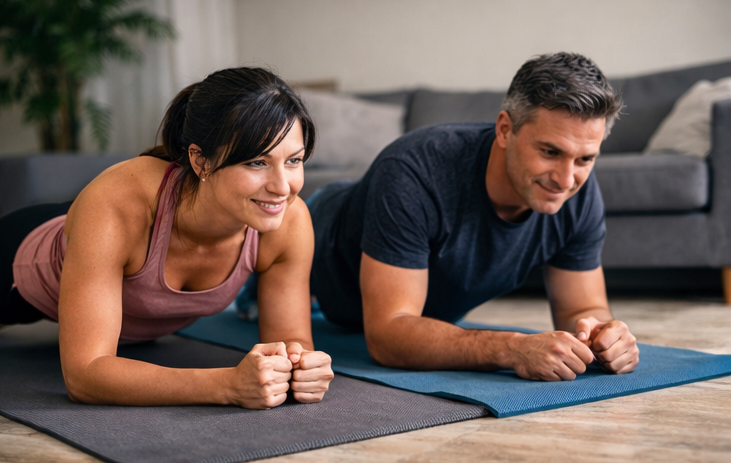
Unsupervised workouts benefit from clear boundaries. Setting a fixed duration, limiting the number of rounds, and scheduling rest days help prevent overtraining. These constraints act as a substitute for external supervision.
Some beginners also track perceived exertion rather than calories burned, using internal cues to regulate effort.
Considerations Before Committing to HIIT at Home Without Supervision
Before deciding that HIIT at home is the right choice, beginners should weigh several practical considerations that influence safety.
Personal health history matters. Individuals with joint issues, cardiovascular concerns, or long periods of inactivity may need a more gradual entry point than standard HIIT routines provide. While medical consultation is outside the scope of this article, self-awareness is essential.
Environment also plays a role. Limited space, hard flooring, or distractions at home can affect movement quality and focus. A cluttered or slippery surface increases injury risk during fast transitions.
Finally, mindset influences outcomes. Beginners motivated primarily by rapid weight loss may ignore early warning signs such as persistent soreness or declining performance. A safer approach treats HIIT as one tool within a broader routine, not as a short-term fix.
A Deeper Look at Long-Term Safety and Adaptation
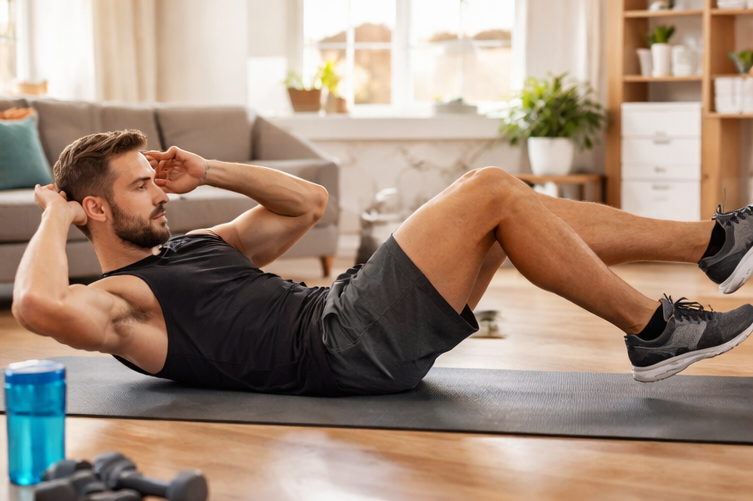
Over time, the question of safety shifts. Once beginners build baseline strength, coordination, and cardiovascular capacity, HIIT becomes less risky and more adaptable. The initial unsupervised phase is the most critical.
Long-term safety depends on progression. Gradually increasing intensity, varying workout structure, and incorporating lower-intensity sessions help prevent plateaus and overuse injuries. Beginners who respect these principles often find that HIIT becomes not only safer but more enjoyable.
Equally important is recognizing when HIIT is no longer the best primary tool. As weight loss progresses, goals may shift toward strength, mobility, or stress management. Adjusting training accordingly is a sign of maturity, not failure.
In this sense, the safety of HIIT at home is not fixed. It evolves with experience, awareness, and willingness to adapt. For beginners seeking fast results, the challenge is balancing urgency with patience—ensuring that the pursuit of quick weight loss does not compromise long-term health or consistency.