leanroutine.online – Understand realistic weight loss results from home workouts, including timelines, factors that affect progress, and how to evaluate real change.
For many people balancing work, family, and limited free time, home workouts feel like the most practical path to getting healthier. The convenience is obvious. What’s less obvious is how long it actually takes to see meaningful weight loss results from exercising at home.
The short answer is: it depends—but not in a vague or unhelpful way. Weight loss from home workouts follows fairly predictable patterns when key variables like calorie intake, workout intensity, consistency, and starting body composition are accounted for.
Understanding the real timeline matters. It helps set expectations, reduces unnecessary frustration, and prevents the common mistake of quitting too early.
What Most People Mean by Weight Loss Results
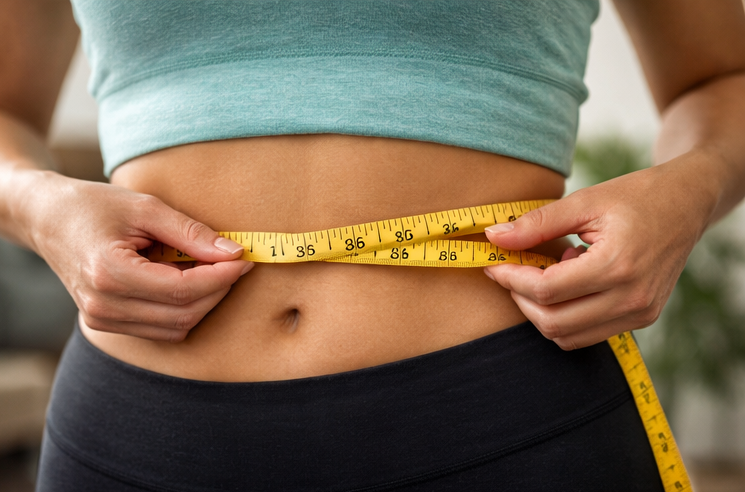
When people start home workouts, they often expect visible physical changes within a few weeks. But results can mean different things:
Scale weight dropping
Body fat reduction
Clothes fitting differently
Improved muscle tone
Increased endurance
From a physiological standpoint, fat loss begins relatively quickly once you create a consistent calorie deficit. However, visible changes typically lag behind metabolic changes.
In the United States, many beginners expect noticeable weight changes within 2–3 weeks. In reality, meaningful and sustainable fat loss tends to follow a slower but more reliable timeline.
Realistic Timeline for Weight Loss From Home Workouts
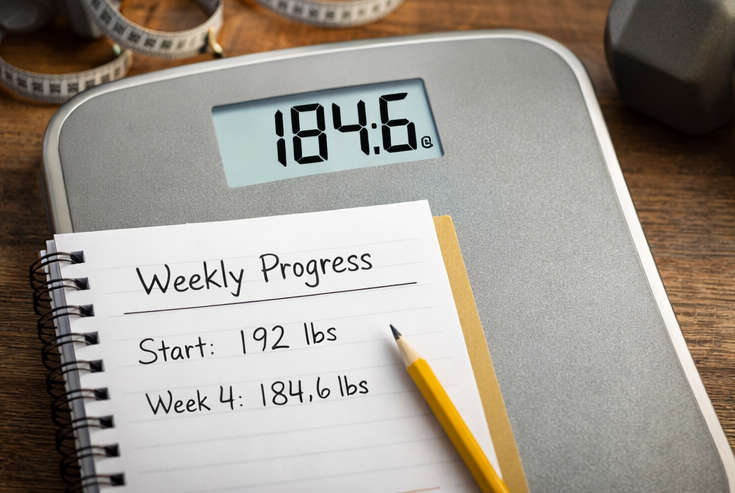
Assuming a person combines home workouts with a moderate calorie deficit, here is what typically happens.
Weeks 1–2: Early Internal Changes
During the first two weeks, the body is adapting more than transforming.
Common experiences include:
Improved energy levels
Slight water weight fluctuations
Increased workout tolerance
Minor scale movement (sometimes none)
Many people become discouraged here because visual changes are minimal. However, metabolic shifts are already underway.
If workouts are consistent (3–5 times per week) and nutrition is reasonably controlled, fat loss is usually beginning at a small but measurable level—even if it isn’t obvious yet.
Weeks 3–6: Initial Visible Progress
This is often the first window when weight loss results become noticeable.
Typical outcomes:
2–6 pounds of fat loss for many beginners
Slight waist measurement reduction
Clothes fitting a bit looser
Improved stamina during workouts
For individuals starting at a higher body weight, progress may appear sooner and be more dramatic. Those who are already relatively lean usually see slower visual change.
Importantly, home workouts can absolutely drive fat loss during this phase if intensity and consistency are sufficient. Structured bodyweight circuits, resistance bands, and HIIT-style sessions can create a meaningful calorie burn when programmed correctly.
If someone is following a structured routine designed for busy schedules, the process tends to be more predictable than random exercise sessions.
Weeks 7–12: Noticeable Body Composition Changes
This is where home workouts begin to pay off visually for most consistent individuals.
Common developments:
5–12 pounds total weight loss (varies widely)
Clear waist and hip reduction
Improved muscle definition
Better posture and movement quality
At this stage, consistency becomes more important than workout novelty. Many people mistakenly switch programs too often, which can disrupt progress.
It’s also the phase where some individuals benefit from reviewing a broader home fitness strategy that fits a packed professional routine to ensure workouts remain progressive rather than repetitive.
Key Factors That Influence How Fast Results Appear
Home workouts can produce excellent weight loss results—but the timeline varies significantly based on several variables.
Starting Body Composition
People with higher body fat percentages typically experience faster early weight loss. This is simply due to larger available energy reserves.
For example:
Individuals with obesity may lose 1–2 pounds per week initially
Moderately overweight individuals often lose 0.5–1 pound per week
Lean individuals may see very slow scale changes
This difference is normal and not a sign that workouts are ineffective.
Calorie Intake and Nutrition Quality
Exercise alone rarely drives significant fat loss without some degree of calorie control.
In U.S. populations, research consistently shows that:
A daily deficit of 300–500 calories supports steady fat loss
Larger deficits may produce faster results but are harder to sustain
Poor sleep and ultra-processed diets can slow visible progress
Home workouts work best when paired with reasonable, not extreme, dietary adjustments.
Workout Intensity and Progression
Not all home workouts create the same stimulus.
Programs that tend to produce better weight loss results include:
Full-body resistance circuits
HIIT sessions performed correctly
Progressive bodyweight strength training
Short but high-effort interval sessions
Low-intensity routines without progression often lead to plateaus, especially after the first month.
Consistency Over Time
Perhaps the most underestimated factor is simple adherence.
In real-world U.S. fitness behavior data:
People who maintain 4 workouts per week for 12 weeks see dramatically better outcomes
Irregular exercisers often misinterpret slow progress as program failure
Consistency beats workout variety in early phases
Home workouts remove many barriers—but they also require self-discipline that gyms sometimes externally enforce.
Why the Scale Doesn’t Always Reflect Progress
One of the biggest sources of frustration is when effort increases but scale weight moves slowly.
Several normal physiological factors explain this.
Water Retention From New Training
When starting resistance or high-intensity workouts, muscles retain more water as part of the repair process. This can temporarily mask fat loss on the scale for 2–4 weeks.
Early Muscle Gain in Beginners
Beginners often gain small amounts of lean muscle while losing fat. The net weight change may appear modest even though body composition is improving.
Hormonal and Stress Effects
Sleep deprivation, elevated cortisol, and menstrual cycle fluctuations can all influence short-term scale readings.
Because of these variables, many people misjudge their progress. This is why understanding early physical changes that people often misinterpret during fat loss can prevent unnecessary discouragement.
Signs Your Home Workouts Are Actually Working
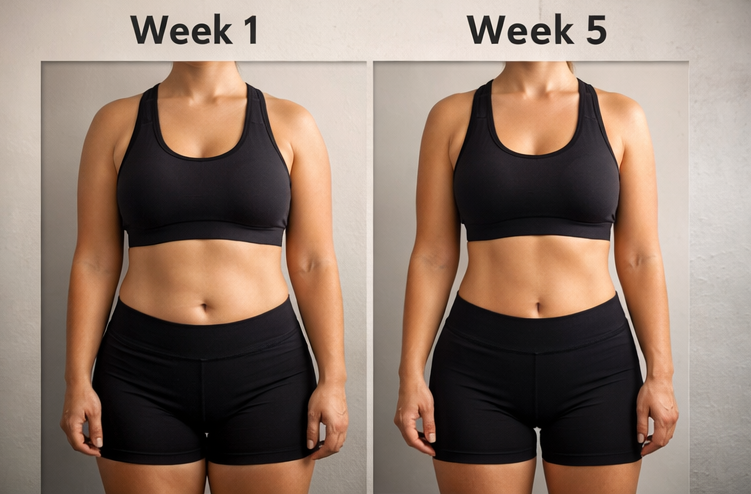
Even when the scale moves slowly, several reliable indicators suggest fat loss is occurring.
Measurement Changes
Waist circumference is often more sensitive than body weight. A reduction of even 0.5–1 inch over several weeks is meaningful.
Performance Improvements
If workouts feel easier, or you can:
Complete more reps
Recover faster
Maintain higher intensity
…your conditioning is improving, which supports long-term fat loss.
Clothing Fit
Subtle loosening around the waist, hips, or thighs often appears before dramatic scale changes.
Visual Body Changes
Photos taken under consistent lighting every 4 weeks often reveal progress that daily mirror checks miss.
When Results Are Slower Than Expected
Not everyone sees progress on the same timeline. Several common issues can slow weight loss from home workouts.
Underestimating Calorie Intake
Portion creep is extremely common. Even healthy foods can erase a calorie deficit if quantities gradually increase.
Workouts That Lack Progressive Overload
Doing the same routine at the same intensity for months reduces stimulus. The body adapts quickly.
Signs progression is needed:
Workouts feel easy
Heart rate response is lower
No performance improvements
No body measurement changes
Inconsistent Weekly Schedule
Three hard workouts one week followed by none the next often leads to stalled results. The body responds best to steady weekly patterns.
Unrealistic Expectations
Perhaps the most important factor is expectation calibration.
In sustainable fat loss:
0.5–1 pound per week is solid progress
Visible changes often take 6–10 weeks
Dramatic transformations usually require several months
Short social media timelines rarely reflect typical physiological reality.
How to Optimize Results Without Overcomplicating Your Routine
For most busy adults in the United States, the most reliable approach remains surprisingly simple.
Prioritize:
3–5 structured home workouts per week
Moderate calorie awareness
Adequate protein intake
Consistent sleep schedule
Progressive workout difficulty
Complex biohacks, extreme fasting, or excessive daily cardio are rarely necessary for steady fat loss.
Home workouts are fully capable of producing meaningful weight loss results when these fundamentals are in place. The limiting factor is rarely the location of the workout—it’s usually consistency, intensity, and nutrition alignment.
When expectations match physiology and the routine is sustainable, progress tends to follow a steady, predictable path rather than dramatic overnight change.