leanroutine.online – Can stress from work prevent weight loss at home? Explore how chronic stress affects metabolism, habits, and long-term fat loss outcomes.
Balancing a demanding job with efforts to lose weight at home can feel like working against two opposing forces. On one side, there’s the intention to exercise regularly and eat more consciously. On the other, work-related stress quietly reshapes behavior, energy levels, and even physiological responses.
The question is not simply whether stress exists, but whether it can actively prevent weight loss. In many cases, the answer is more nuanced than a simple yes or no. Stress doesn’t just influence motivation—it can alter how the body processes energy, stores fat, and responds to lifestyle changes.
Understanding this connection requires looking beyond surface-level habits and into the deeper mechanisms at play.
How Work Stress Interacts With the Body’s Fat-Loss Systems
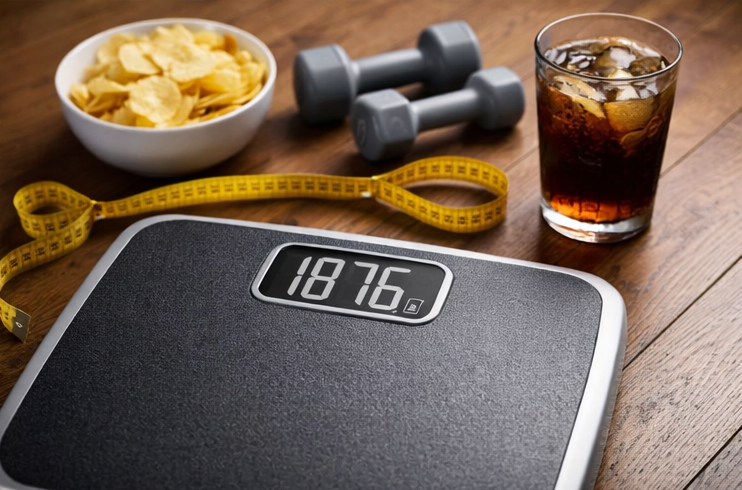
When stress becomes chronic, the body shifts into a prolonged state of alert. This is largely driven by cortisol, a hormone released in response to perceived pressure or threat.
Cortisol itself is not inherently harmful. In short bursts, it helps regulate energy and focus. Problems begin when elevated levels persist over long periods.
Cortisol and Fat Storage Patterns
Sustained cortisol levels are associated with increased fat storage, particularly in the abdominal region. This is partly because the body interprets stress as a signal to conserve energy. Instead of prioritizing fat burning, it leans toward preservation.
Even when someone maintains a calorie deficit, this hormonal environment can slow visible progress.
Impact on Metabolic Efficiency
Chronic stress can subtly reduce metabolic efficiency. The body may burn fewer calories at rest, and energy expenditure during daily activities can decline. This effect is often gradual and difficult to detect without careful tracking.
The result is a mismatch between effort and outcome—people feel they are doing “everything right,” yet progress stalls.
Behavioral Shifts That Undermine Home Weight Loss Efforts

Physiology is only part of the picture. Work stress also changes behavior in ways that directly interfere with weight loss.
These changes are often subtle and cumulative rather than dramatic.
Disrupted Eating Patterns
Stress can push eating habits in two opposite directions:
Overeating, especially calorie-dense comfort foods
Undereating during the day, followed by late-night consumption
Both patterns can disrupt energy balance. Emotional eating, in particular, tends to favor foods high in sugar and fat, which are more likely to exceed daily caloric needs.
Reduced Consistency in Workouts
Home workouts rely heavily on self-discipline. Unlike structured gym environments, there is no external accountability.
After a mentally exhausting workday, even a well-designed plan can feel difficult to follow. Skipped sessions become more frequent, and intensity often drops.
For those trying to maintain consistency, following a structured approach like this home-based training routine designed for busy schedules can help reduce decision fatigue and make workouts more manageable under stress.
Increased Sedentary Behavior
Stress-related fatigue doesn’t always lead to rest—it often leads to inactivity. People may spend more time sitting, scrolling, or disengaging from physical movement.
This reduction in non-exercise activity (like walking or standing) can significantly lower total daily energy expenditure.
The Role of Sleep in Stress-Related Weight Plateaus
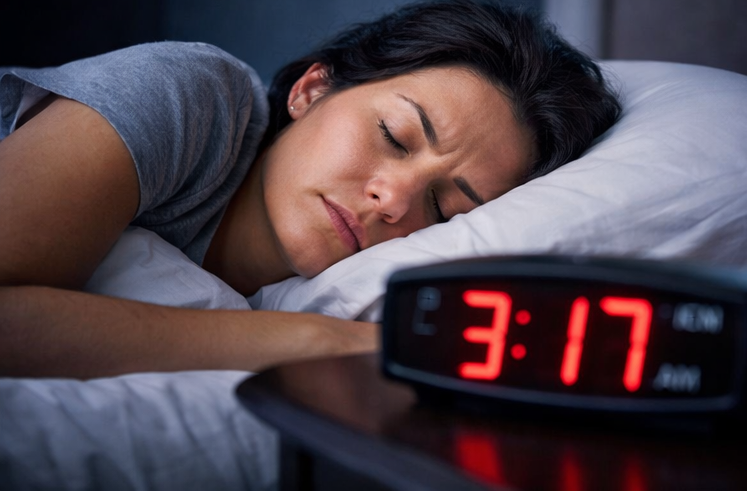
One of the most overlooked consequences of work stress is its effect on sleep quality.
Even if total sleep time appears adequate, stress can fragment sleep cycles, reducing recovery.
Hormonal Imbalance From Poor Sleep
Sleep disruption affects hormones that regulate hunger and fullness:
Ghrelin increases, stimulating appetite
Leptin decreases, reducing satiety signals
This combination often leads to increased food intake without a corresponding increase in energy expenditure.
Reduced Recovery and Performance
Poor sleep also limits physical recovery. Muscles repair more slowly, and overall energy levels drop. This makes workouts feel harder and less effective.
Over time, the cumulative impact can resemble a plateau, even when effort remains consistent.
For a deeper look at how rest patterns influence long-term results, this analysis on how sleep quality influences workout outcomes over time explores the connection in more detail.
Why Stress Can Create the Illusion of No Progress
One of the more frustrating aspects of stress-related weight loss challenges is perception. People often interpret slow progress as failure, when in reality, multiple factors are interacting.
Water Retention and Temporary Weight Fluctuations
Elevated cortisol can increase water retention. This may mask fat loss on the scale, creating the impression that nothing is changing.
These fluctuations can last for days or even weeks, depending on stress levels.
Inconsistent Feedback From the Body
Stress disrupts internal signals. Hunger cues, energy levels, and recovery feedback all become less reliable.
This makes it harder to adjust strategies effectively. Without clear signals, people may either overcorrect or give up prematurely.
Common Misconceptions About Stress and Weight Loss
Several persistent beliefs make it harder to address the real issue.
“Stress Only Affects Motivation”
While motivation is certainly impacted, the physiological effects of stress are just as significant. Even highly disciplined individuals can experience slower progress due to hormonal shifts.
Working Harder Will Compensate
Increasing workout intensity or duration under high stress can backfire. It may further elevate cortisol levels and reduce recovery capacity.
In some cases, scaling back intensity and focusing on consistency produces better results.
If Calories Are Controlled, Stress Doesn’t Matter
Calorie balance remains important, but it doesn’t exist in isolation. Stress influences how the body responds to that balance.
Two individuals with identical calorie intake may experience different outcomes depending on stress levels and sleep quality.
Practical Adjustments That Improve Outcomes Under Stress
Addressing stress doesn’t require eliminating it entirely. Instead, the goal is to reduce its negative impact on weight loss systems.
Simplifying Workout Structure
Shorter, more focused sessions are often more sustainable during high-stress periods. Removing complexity reduces mental resistance and improves adherence.
Consistency matters more than intensity in these situations.
Stabilizing Daily Routines
Regular meal timing, consistent sleep schedules, and predictable workout windows help regulate the body’s internal rhythms.
This stability can counteract some of the disruptive effects of stress.
Managing Cognitive Load
Decision fatigue plays a major role in behavior. Preparing meals in advance, setting fixed workout times, and reducing daily choices can preserve mental energy.
Less mental strain translates to more consistent execution.
Monitoring Progress Beyond the Scale
Relying solely on body weight can be misleading under stress. Tracking additional indicators—such as measurements, strength levels, or energy trends—provides a more complete picture.
This broader perspective helps prevent premature conclusions about lack of progress.
When Stress Becomes the Primary Barrier
There are situations where stress is not just a contributing factor but the main obstacle.
In these cases, traditional weight loss strategies become less effective until stress levels are addressed more directly.
Signs that stress may be the dominant issue include:
Persistent fatigue despite adequate sleep duration
Frequent illness or weakened immunity
Ongoing lack of progress despite consistent effort
Strong cravings that feel difficult to control
When these patterns appear together, focusing solely on diet and exercise adjustments may not be sufficient.
Addressing workload, boundaries, or recovery strategies becomes part of the weight loss process itself.
Work stress doesn’t always prevent weight loss outright, but it can reshape the conditions under which weight loss occurs. The body becomes less responsive, habits become harder to maintain, and progress becomes less predictable.
Understanding this interaction allows for more realistic expectations and more effective adjustments. Instead of pushing harder in the same direction, the better approach often involves reducing friction—physiological, behavioral, and mental—so that existing efforts can produce results more consistently.