leanroutine.online – Poor sleep can undermine home workout results over time by affecting recovery, metabolism, and consistency in ways many people overlook.
The Overlooked Variable in Home Training Progress

Home workouts are often framed around discipline, consistency, and efficiency. Programs promise results with minimal equipment and limited time, making them appealing to busy professionals. Yet one variable tends to sit quietly in the background: sleep.
It’s easy to assume that as long as workouts are completed and nutrition is reasonably managed, progress will follow. In practice, the relationship is less straightforward. Poor sleep doesn’t just affect how you feel the next morning—it subtly reshapes how your body responds to exercise over weeks and months.
For individuals following structured routines like those outlined in a practical home workout plan for weight loss, sleep quality can become the dividing line between gradual progress and frustrating plateaus.
How Poor Sleep Alters Recovery at a Physiological Level
Recovery is where adaptation happens. Muscles repair, energy systems recalibrate, and hormonal signals guide the body toward either fat loss or energy conservation.
When sleep is compromised, several processes begin to shift:
Disrupted Muscle Repair
During deep sleep stages, the body releases growth hormone, which plays a key role in tissue repair and muscle recovery. Reduced or fragmented sleep can limit this release, slowing the repair process.
Over time, this doesn’t necessarily lead to immediate failure in workouts. Instead, it creates a cumulative deficit—small reductions in recovery that compound across sessions.
Increased Cortisol Levels
Sleep deprivation tends to elevate cortisol, a stress hormone that influences fat storage and muscle breakdown. Elevated cortisol can make it harder to maintain lean muscle mass, especially in calorie-controlled environments.
This becomes particularly relevant for those already managing high stress levels. The interplay between sleep and stress is explored further in discussions around how chronic work stress can interfere with weight loss efforts, where similar hormonal patterns emerge.
Impaired Glycogen Replenishment
Energy for workouts depends heavily on glycogen stores. Poor sleep can interfere with how efficiently these stores are replenished, leading to reduced performance in subsequent sessions—even if diet remains unchanged.
The Subtle Impact on Workout Performance

Not all consequences of poor sleep are dramatic. In fact, most are subtle enough to go unnoticed on a day-to-day basis.
A slightly slower pace. One fewer repetition. Longer rest between sets.
Individually, these changes seem insignificant. Over time, they accumulate.
Reduced Training Intensity
Sleep deprivation often lowers perceived energy levels. This doesn’t always stop someone from exercising, but it does influence how hard they push.
Workouts become more about completion than progression.
Intensity drops, and with it, the stimulus required for adaptation.
Decline in Coordination and Form
Fatigue affects neuromuscular coordination. Movements that typically feel controlled may become less precise, increasing the likelihood of inefficient form.
This matters more in home workouts than many assume. Without external supervision, small deviations in form can persist unnoticed, reducing effectiveness over time.
Longer Recovery Between Sessions
Even if workouts are maintained, recovery between sessions may require more time. This can lead to skipped days or reduced frequency, often without a clear understanding of why consistency is slipping.
Metabolic Consequences That Affect Fat Loss
For many people, home workouts are tied to weight management goals. Sleep plays a surprisingly direct role in how the body regulates fat loss.
Altered Hunger Hormones
Poor sleep disrupts the balance between ghrelin (hunger hormone) and leptin (satiety hormone). The result is a tendency to feel hungrier while also feeling less satisfied after eating.
This doesn’t necessarily lead to overeating every day, but it increases the likelihood over time.
Reduced Insulin Sensitivity
Sleep deprivation can decrease insulin sensitivity, making it harder for the body to manage blood glucose levels efficiently. This can promote fat storage, particularly when combined with inconsistent eating patterns.
Energy Conservation Bias
When sleep is insufficient, the body may shift toward conserving energy rather than expending it. This can subtly reduce daily calorie burn, even if formal exercise routines remain unchanged.
These metabolic shifts help explain why some individuals feel they are “doing everything right” yet see minimal results.
Consistency: The First Casualty of Poor Sleep
Consistency is often treated as a matter of discipline. In reality, it is heavily influenced by energy availability.
Poor sleep erodes consistency in indirect ways:
Skipping workouts due to fatigue
Shortening sessions
Avoiding higher-intensity routines
Losing motivation over time
Interestingly, many people attribute this drop in consistency to a lack of willpower. In practice, it often reflects underlying fatigue.
This pattern is closely related to broader behavioral trends discussed in analyses of why people tend to abandon home workouts within weeks, where energy and recovery play a larger role than commonly acknowledged.
The Compounding Effect Over Time
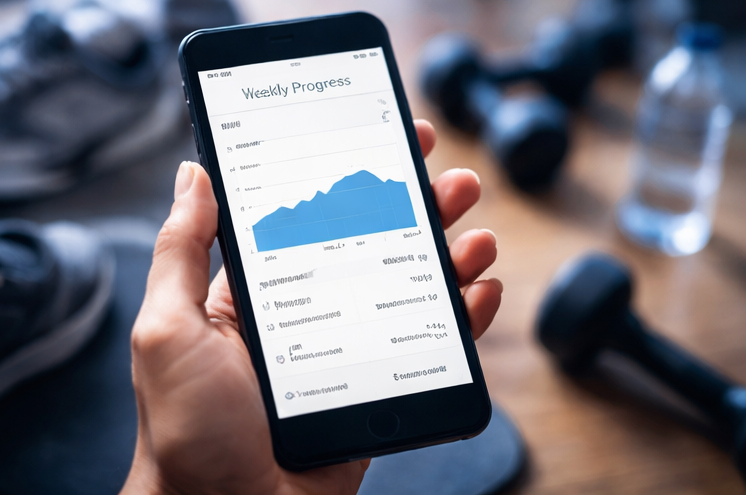
A single night of poor sleep is unlikely to cancel workout results. The issue lies in repetition.
When poor sleep becomes a pattern, several small disadvantages begin to layer:
Slightly weaker workouts
Slower recovery
Increased hunger
Lower daily activity
Reduced consistency
Each factor alone might be manageable. Together, they shift the trajectory of progress.
This is why some individuals experience initial improvements from a new workout routine, followed by stagnation despite maintaining similar effort levels.
Misinterpreting Fatigue as Lack of Fitness
One common misconception is interpreting persistent fatigue as a sign of low fitness.
In reality, the body may be struggling to recover rather than adapt.
Signs Often Misread
Feeling unusually tired after standard workouts
Needing longer rest periods
Decreased motivation despite prior consistency
These experiences are often addressed through changes in workout structure—lighter sessions, fewer repetitions, or more rest days.
While these adjustments can help, they don’t address the root cause if sleep remains inadequate.
A more targeted perspective can be found in discussions about why post-workout fatigue persists and how recovery actually works, where sleep emerges as a central factor rather than a secondary one.
Practical Considerations for Balancing Sleep and Training
Improving sleep doesn’t require extreme changes, but it does require consistency similar to exercise routines.
Aligning Workout Timing
Late-night workouts can sometimes interfere with sleep onset, particularly if they are high intensity. Adjusting workout timing—even slightly earlier—can improve sleep quality for some individuals.
Managing Stimulant Intake
Caffeine consumption later in the day can reduce sleep depth, even if it doesn’t prevent falling asleep. This can quietly affect recovery quality.
Creating a Wind-Down Routine
A predictable pre-sleep routine signals the body to transition into rest mode. This doesn’t need to be elaborate—consistency matters more than complexity.
Recognizing Limits
On days following poor sleep, maintaining movement is still beneficial, but expectations around performance may need to be adjusted.
This approach helps preserve consistency without forcing intensity that the body isn’t ready to handle.
When Progress Stalls Without an Obvious Cause
Plateaus are often attributed to ineffective workouts or poor diet adherence. Sleep is rarely the first suspect.
Yet when workouts are consistent and nutrition is reasonably controlled, sleep becomes one of the most influential remaining variables.
It doesn’t negate effort overnight. Instead, it gradually reduces the return on that effort.
Understanding this dynamic shifts the focus from doing more to recovering better.
Over time, that shift can be the difference between sustained progress and ongoing frustration.