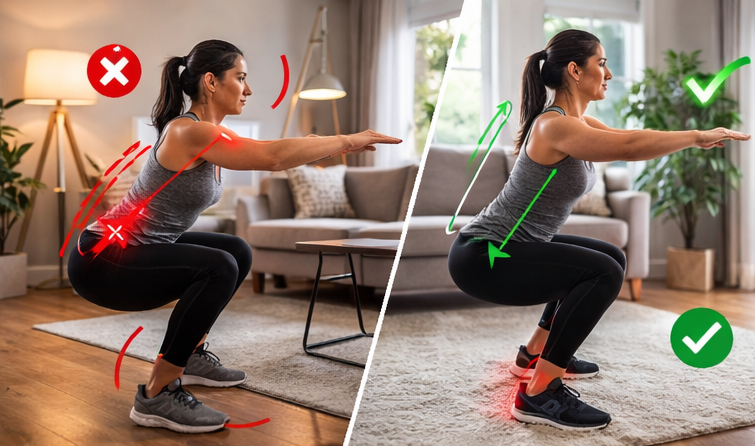
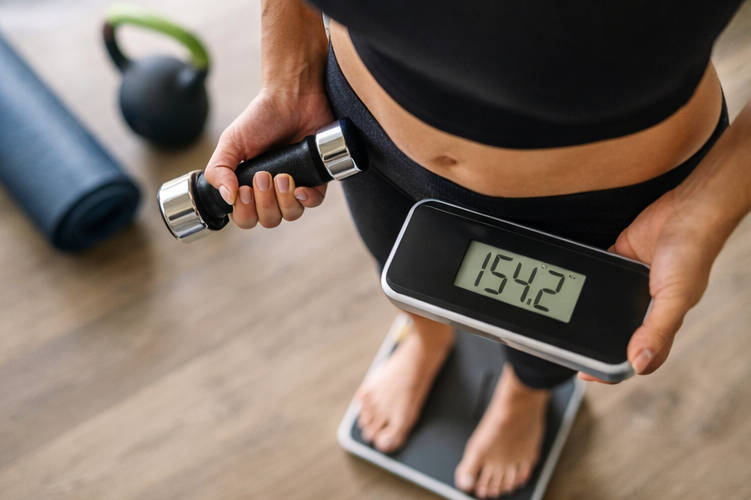
leanroutine.online – Starting a home workout routine can feel empowering, and committing to exercise for several weeks is an achievement in itself. Yet, for many, the excitement of new routines can be tempered by frustration when the scale refuses to budge. You’ve been consistent, followed workout videos, and dedicated your time—but the results are not reflecting your efforts. Understanding why you might not be losing weight despite your dedication is crucial for making informed adjustments and seeing real progress.
Understanding the Basics of Weight Loss
Weight loss is not just about moving your body or burning calories through exercise. While workouts at home—ranging from bodyweight exercises to resistance bands—are valuable for strength, endurance, and overall health, shedding pounds is heavily influenced by multiple factors:
Caloric Balance: Weight loss ultimately comes down to consuming fewer calories than you burn. Even a rigorous home workout routine can be offset by excess calorie intake, whether from hidden sugars, portion sizes, or high-calorie snacks.
Metabolic Adaptation: Your body adapts to repetitive routines. After weeks of performing the same exercises, your energy expenditure can plateau, slowing weight loss.
Hormonal Influences: Hormones like cortisol, insulin, and thyroid hormones can significantly affect weight regulation. Stress, sleep deprivation, or underlying thyroid issues can make weight loss more challenging.
Muscle Gain vs. Fat Loss: Consistent home workouts often build lean muscle, which can increase your weight slightly or keep it steady, even as your body composition improves.
Recognizing that the scale is not the sole indicator of success helps reduce frustration and refocus efforts on sustainable changes.
Common Reasons You Might Not Be Losing Weight
1. Overestimating Calorie Burn
Many people assume that a 30-minute workout burns more calories than it actually does. Home workouts are often underestimated in intensity, but they rarely burn as many calories as imagined. For example, a moderate bodyweight circuit may burn 200–300 calories, which can easily be offset by a simple snack like a granola bar or a sugary coffee drink.
Practical Tip:
Track both your food intake and exercise. Apps or simple food logs help create awareness of hidden calories that might hinder progress.
2. Underestimating Calorie Intake

Sometimes, the issue isn’t your workout—it’s your nutrition. Skipping meals can backfire, leading to overeating later, while healthy snacks can add unexpected calories. Even small adjustments like sugary beverages, sauces, or cooking oils can accumulate.
Example:
Adding avocado toast with butter and jam may feel light, but it can contain 300–400 calories, which could negate a 30-minute workout session.
3. Exercise Routine Not Optimized for Fat Loss

Not all workouts are equally effective for weight loss. Cardio-focused routines like jogging, cycling, or high-intensity interval training (HIIT) tend to burn more calories during sessions, while strength training builds muscle and boosts metabolism long-term. If your home workouts are primarily low-intensity or repetitive, your body may adapt quickly, limiting calorie burn.
For a comprehensive guide to structuring effective routines, explore our home workout plan for busy professionals, where we break down the strategy step by step.
4. Inconsistent Recovery and Sleep
Sleep and recovery are often underestimated factors in weight management. Poor sleep can elevate cortisol levels, increasing appetite and fat storage. Overtraining without proper rest can also hinder progress, making workouts less effective over time.
Practical Tip:
Aim for 7–9 hours of quality sleep per night and include at least one active recovery day in your weekly schedule, even if you enjoy daily exercise.
5. Stress and Mental Health
Stress affects both eating habits and metabolism. High-stress levels can lead to emotional eating or cravings for high-calorie foods. Additionally, cortisol released during prolonged stress encourages fat storage, particularly around the abdomen.
Practical Tip:
Incorporate mindfulness practices such as meditation, yoga, or deep-breathing exercises into your daily routine to help regulate stress levels and support your weight-loss efforts.
6. Health Conditions and Medications
Certain medical conditions—like hypothyroidism, polycystic ovary syndrome (PCOS), insulin resistance, or hormonal imbalances—can interfere with weight loss. Additionally, some medications, including antidepressants or corticosteroids, may slow progress despite consistent exercise.
Practical Tip:
Consult a healthcare professional if you suspect underlying health issues. Blood tests or screenings can uncover metabolic or hormonal factors affecting your weight.
Measuring Progress Beyond the Scale
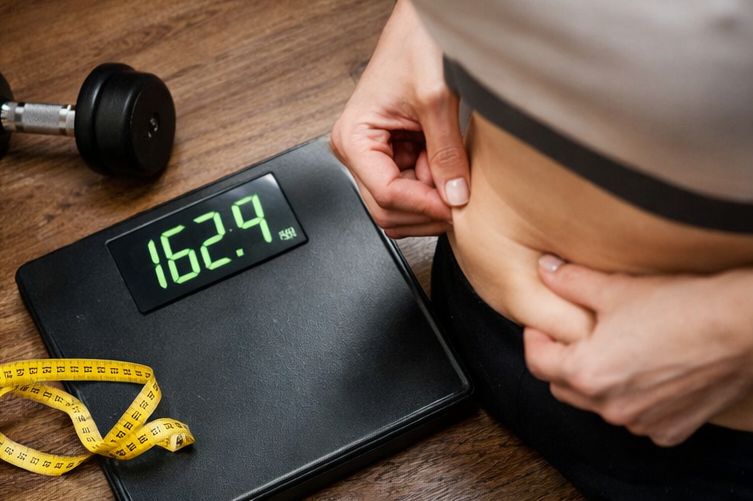
Focusing solely on weight can be misleading. Home workouts often improve fitness, muscle tone, and overall health without drastically changing the number on the scale. Consider these alternative metrics:
Body Measurements: Track waist, hip, or thigh circumference to detect fat loss.
Body Composition: Some smart scales or professional assessments measure fat percentage versus lean muscle mass.
Performance Milestones: Track improvements in endurance, strength, flexibility, or how many repetitions you can perform.
Energy and Mood: Increased energy levels, better sleep, and improved mood are significant benefits of consistent workouts, even if weight changes slowly.
Example:
You might notice your clothes fitting looser after four weeks, even if the scale remains largely unchanged. This is a sign of muscle gain and fat loss—a positive shift in body composition.
Strategies to Break Through a Plateau
If you’ve identified reasons why you’re not losing weight, there are practical adjustments to help you progress:
Reassess Nutrition Habits
Track your meals for a week to identify hidden calories.
Focus on whole foods, lean proteins, fiber, and complex carbohydrates.
Keep portion sizes in check without feeling deprived.
Vary Your Home Workouts
Include a mix of strength, cardio, and flexibility routines.
Increase intensity gradually by adding resistance bands, weights, or additional repetitions.
Switch exercises every 4–6 weeks to prevent your body from adapting.
Prioritize Recovery
Schedule rest days or low-intensity active recovery sessions.
Incorporate stretching, foam rolling, or yoga to support muscle repair.
Manage Sleep and Stress
Set consistent sleep schedules.
Reduce screen time before bed and create a calming pre-sleep routine.
Practice relaxation techniques to control cortisol levels.
Seek Professional Guidance
A registered dietitian or certified personal trainer can help tailor a plan to your metabolism, goals, and home environment.
If weight-loss resistance persists, consult a healthcare professional to rule out underlying medical conditions.
You can also explore our supporting article on strategies to maximize home workout results for practical exercises and daily routines suitable for busy professionals.
Embracing the Process
It’s essential to approach weight loss with patience and realistic expectations. Sustainable change rarely happens overnight, even with consistent effort. Celebrating small victories—improved stamina, better sleep, healthier eating choices—reinforces habits that support long-term success.
Remember, the journey is just as important as the destination. Focusing on overall well-being, rather than obsessing over the scale, creates a healthier relationship with fitness and nutrition, allowing home workouts to become a rewarding and sustainable part of life.
Even if you’ve been working out at home for four weeks without a noticeable drop in weight, each step contributes to better health, improved body composition, and a stronger, more resilient body. By reassessing your approach, fine-tuning your habits, and maintaining consistency, progress is not just possible—it’s inevitable.