leanroutine.online – A well-designed home workout routine can be one of the most effective and sustainable ways to lose weight—especially for busy professionals balancing work, family, and personal commitments. Training at home removes common barriers like commute time, crowded gyms, and expensive memberships. However, there’s a lesser-known problem that many people overlook: exercising too intensely, too often.
While dedication is admirable, pushing your body beyond its ability to recover can actually slow down your weight loss progress. Instead of burning fat efficiently, you may experience stalled results, persistent fatigue, and even increased body fat retention.
If you’ve been consistent with your workouts but aren’t seeing the expected changes, your home workout routine might be working against you rather than for you.
Below are the key signs that your training intensity may be too high—and what you can do to recalibrate without losing momentum.
Understanding the Balance Between Intensity and Recovery
Weight loss is not just about burning calories during exercise. It’s about creating a sustainable energy balance while supporting hormonal stability, muscle preservation, and recovery.
When you exercise, you create stress on the body. In moderate amounts, this stress is beneficial—it signals your body to adapt, build muscle, and improve metabolic efficiency. But when intensity is excessive and recovery is insufficient, stress hormones remain elevated, inflammation increases, and fat loss can slow down.
If you’re following a structured approach similar to our home workout plan for weight loss, you’ll notice that balanced progression, rest days, and recovery strategies are emphasized just as much as the workouts themselves. That balance is often what determines long-term success.
Persistent Fatigue That Doesn’t Improve With Rest
Feeling tired after a tough workout is normal. Feeling exhausted for days—even after rest—is not.
If your home workout routine includes daily high-intensity interval training (HIIT), long cardio sessions, and strength training without recovery days, your nervous system may be overstressed.
Signs of excessive fatigue include:
Waking up tired despite adequate sleep
Needing caffeine just to get through workouts
Reduced motivation to train
Heavier-feeling limbs during normal activities
When your body doesn’t recover properly, performance declines. Over time, this reduces workout quality, lowers calorie expenditure efficiency, and may trigger metabolic adaptation—where your body conserves energy instead of burning it.
Your Weight Loss Has Plateaued Despite Increased Effort
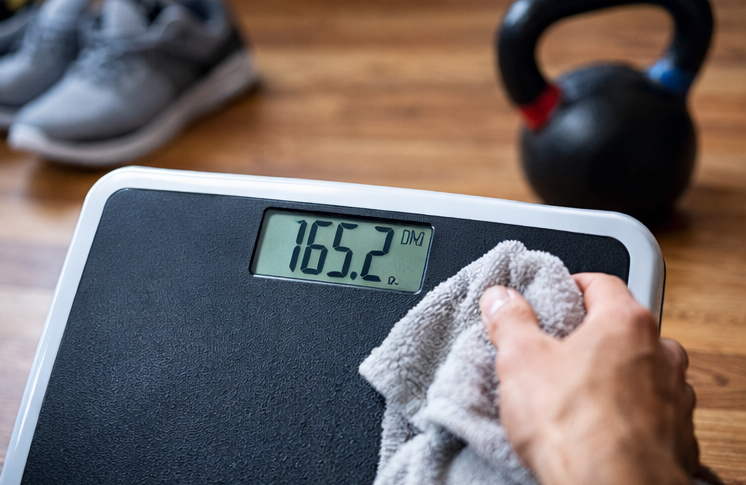
It’s frustrating: you work out harder, longer, and more frequently—but the scale doesn’t move.
This can happen because excessive training increases cortisol, the primary stress hormone. Chronically elevated cortisol levels can:
Promote water retention
Increase cravings (especially for sugar and refined carbs)
Encourage fat storage around the abdominal area
Ironically, doing more intense workouts can lead to slower fat loss.
Instead of adding more volume or intensity, sometimes reducing frequency and focusing on recovery actually helps break the plateau.
You Experience Frequent Minor Injuries or Joint Pain

Home workouts are convenient, but without professional supervision, form errors and repetitive strain can accumulate.
If you notice:
Persistent knee pain from jump squats
Shoulder discomfort from push-ups or planks
Lower back tightness after core workouts
You may be overloading the same muscle groups too frequently.
Pain is often a signal that your routine lacks variety or recovery. When injuries accumulate, consistency suffers—and consistency is far more important than extreme intensity for weight loss.
Sleep Quality Is Getting Worse

Many people assume exercise always improves sleep. While moderate training supports better sleep, excessive intensity—especially late in the evening—can have the opposite effect.
Signs include:
Difficulty falling asleep
Waking up frequently at night
Feeling wired but tired
High-intensity workouts stimulate the sympathetic nervous system (your fight or flight response). If this system remains activated at night, your body struggles to enter deep restorative sleep.
Poor sleep disrupts hunger hormones like ghrelin and leptin, increasing appetite and reducing fat-burning efficiency.
Increased Hunger That Feels Out of Control
Some appetite increase after exercise is normal. But if your home workout routine triggers intense cravings, especially late at night, it may indicate excessive energy expenditure without adequate recovery.
When the body perceives high stress and energy deficit, it sends strong hunger signals to restore balance. This can lead to:
Overeating “healthy” foods
Late-night snacking
Emotional eating after tough sessions
If workouts consistently leave you ravenous, your approach may be too aggressive for sustainable fat loss.
Declining Performance Instead of Improvement
A well-structured home workout routine should gradually improve your endurance, strength, or stamina.
Warning signs of overtraining include:
Struggling to complete workouts that used to feel manageable
Slower sprint times
Reduced strength in bodyweight movements
Feeling weaker instead of stronger
Progressive overload requires adequate recovery. Without it, your body enters a protective state and reduces performance capacity.
Mood Changes and Irritability
Physical stress often shows up as emotional stress.
If you notice:
Increased irritability
Reduced patience
Mood swings
Lack of enthusiasm
Your training volume might be overwhelming your recovery capacity.
Exercise should enhance mental clarity and mood. When it consistently leaves you drained or short-tempered, it’s time to reassess intensity.
Why Too Much Intensity Slows Weight Loss
Many people equate harder with better. But weight loss is more nuanced.
Here’s what excessive intensity can trigger:
Elevated Cortisol Levels
Chronic stress increases fat storage signals and can disrupt blood sugar regulation.
Muscle Breakdown
Without recovery, your body may break down muscle tissue. Since muscle supports metabolic rate, losing it can slow fat loss.
Reduced Non-Exercise Activity
After extremely intense workouts, people often move less throughout the day—sitting more, walking less, conserving energy subconsciously. This reduction in daily movement can offset calories burned during exercise.
Hormonal Disruption
Especially in women, excessive training combined with low calorie intake can disrupt menstrual cycles and thyroid function, both of which influence metabolism.
How to Adjust Your Home Workout Routine for Better Results
If you recognize several of these signs, you don’t need to stop exercising. You need to rebalance.
1. Introduce Structured Rest Days
At least 1–2 full rest days per week help restore hormonal balance and muscle recovery.
Rest does not mean inactivity. Light walking, stretching, or mobility work can maintain movement without adding stress.
2. Rotate Intensity Levels
Instead of doing high-intensity workouts daily, alternate:
Strength-focused sessions
Moderate cardio
Low-impact mobility or recovery workouts
This variation prevents nervous system overload.
3. Focus on Progressive Strength Training
Building muscle through controlled resistance exercises is often more effective for long-term fat loss than daily HIIT.
Bodyweight movements like squats, lunges, push-ups, and glute bridges can be progressively adjusted without excessive strain.
4. Prioritize Sleep and Nutrition
Even the best home workout routine cannot compensate for:
5–6 hours of sleep
Chronic calorie restriction
Low protein intake
Recovery is where fat loss adaptations happen.
5. Track Non-Scale Progress
If the scale stalls but:
Your measurements improve
Clothes fit better
Strength increases
You’re likely progressing. Overtraining often narrows focus to the scale while ignoring other indicators.
When Less Is More
Many successful long-term weight loss journeys are built on moderate, consistent routines rather than extreme ones.
Three to five well-designed sessions per week are often more effective than seven intense sessions with no recovery.
The body thrives on rhythm—stress followed by rest, effort followed by repair.
If you’re already following a broader structured approach and still suspect intensity imbalance, you might also explore complementary recovery strategies and balanced scheduling discussed in related lifestyle-focused fitness planning resources.
Building a Sustainable Home Workout Routine
The goal of a home workout routine isn’t to exhaust yourself daily. It’s to create a system you can maintain for months and years.
Sustainability requires:
Manageable time commitment
Balanced intensity
Recovery built into the schedule
Gradual progression
Realistic expectations
Weight loss is rarely linear. Periods of slower progress do not always mean you need to work harder. Sometimes they mean you need to work smarter.
A Practical Self-Assessment Checklist
Ask yourself:
Am I training intensely more than five days per week
Do I feel consistently fatigued or sore?
Has my sleep worsened since increasing workout intensity
Am I more irritable than usual
Has my weight loss plateaued despite increased effort
If you answered yes to several of these, your current approach may need recalibration.
Reducing intensity temporarily can feel counterintuitive—but it often restores metabolic efficiency and renews fat loss momentum.
Final Thoughts on Finding the Right Balance
An effective home workout routine supports your body instead of constantly challenging its limits. Intensity has its place, but recovery determines whether that intensity translates into progress.
When workouts leave you energized, sleeping well, steadily improving, and gradually losing fat, you’ve likely found the right balance.
If they leave you exhausted, frustrated, and stalled, the solution may not be more effort—it may be smarter structure.
Sustainable weight loss is less about pushing harder and more about creating a system your body can thrive in over time.