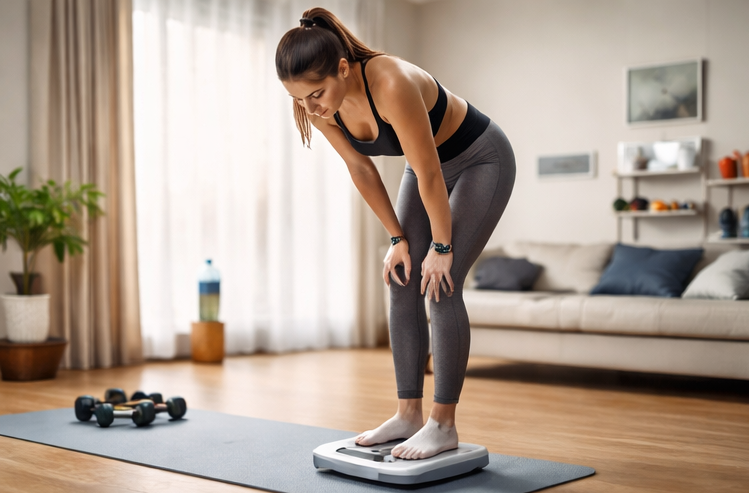
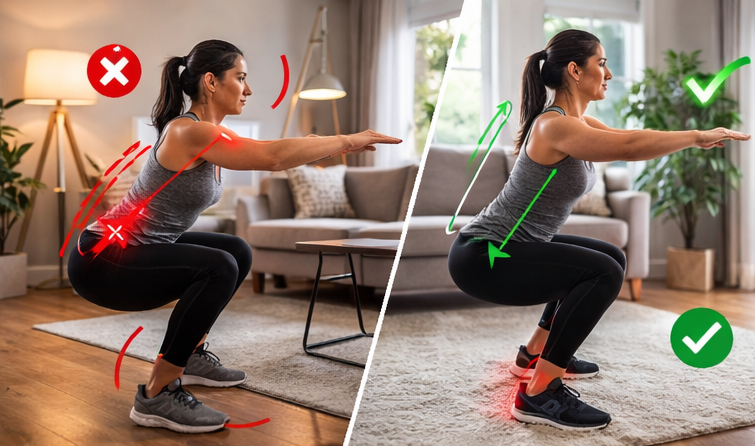
leanroutine.online – You’ve been consistent. Every morning or evening, you complete your sit-ups at home. Weeks pass, yet the mirror and measuring tape show little change around your midsection. It’s frustrating—especially when you’re putting in real effort.
If your belly fat won’t go, even after doing daily sit-ups for weeks, the issue usually isn’t a lack of discipline. It’s a mismatch between the exercise you’re doing and the way fat loss actually works. Sit-ups strengthen abdominal muscles, but they don’t directly target fat stored over them.
Understanding why this happens can help you adjust your strategy without wasting more time or energy.
The Core Misconception: You Can’t Target Fat Loss
One of the most common beliefs in fitness is that working a specific body part will reduce fat in that area. This idea—known as spot reduction—has been widely studied, and research consistently shows it doesn’t work the way many people expect.
When you perform sit-ups, you activate the rectus abdominis and other core muscles. These muscles may become stronger and more defined. However, fat loss occurs systemically, not locally. Your body draws energy from fat stores across the entire body based on hormonal signals and energy balance—not based on which muscle group you trained.
That means:
Doing 100 sit-ups does not specifically burn belly fat.
Abdominal exercises strengthen muscles under the fat layer.
Visible changes only happen once overall body fat decreases.
This is why you might feel your core getting stronger without seeing visible fat reduction.
Sit-Ups Burn Fewer Calories Than You Think
Another reason your belly fat won’t go away may be related to total calorie expenditure.
Sit-ups are a strength-based movement with relatively low energy demand compared to full-body exercises. Even a moderately intense session of sit-ups typically burns far fewer calories than activities like brisk walking, cycling, or circuit training.
If fat loss is your goal, the key factor is sustained calorie balance over time. This doesn’t mean extreme dieting. It means:
Your total daily energy expenditure must exceed intake consistently.
Small imbalances can maintain current body fat levels.
Core exercises alone rarely create a significant calorie deficit.
For busy professionals exercising at home, this is why a structured plan that combines strength training and cardiovascular work often produces better results. A broader strategy—such as our home workout plan for busy professionals—focuses on total-body movement and sustainable consistency rather than isolated abdominal work.
When energy balance isn’t addressed, abdominal exercises alone simply won’t shift fat stores.
Hormonal and Genetic Factors Play a Role

Even with consistent exercise, belly fat can be particularly resistant for biological reasons.
Hormonal Influence
Cortisol, insulin, estrogen, and testosterone all influence fat distribution. Elevated stress levels, poor sleep, and chronic overwork can increase cortisol levels, which are associated with abdominal fat retention in some individuals.
For example:
Chronic stress may promote central fat storage.
Sleep deprivation can disrupt hunger hormones (ghrelin and leptin).
Insulin resistance may contribute to fat accumulation around the midsection.
If your daily routine includes long working hours, limited sleep, and high stress, these factors can counteract the benefits of your workouts.
Genetics and Fat Distribution
Some people are genetically predisposed to store fat around the abdomen. Others store more fat in hips or thighs. While exercise improves overall health and body composition, it cannot override genetic patterns of fat storage.
This doesn’t mean change is impossible—it means progress may be gradual and requires a comprehensive approach.
Muscle Development Can Temporarily Mask Fat Loss
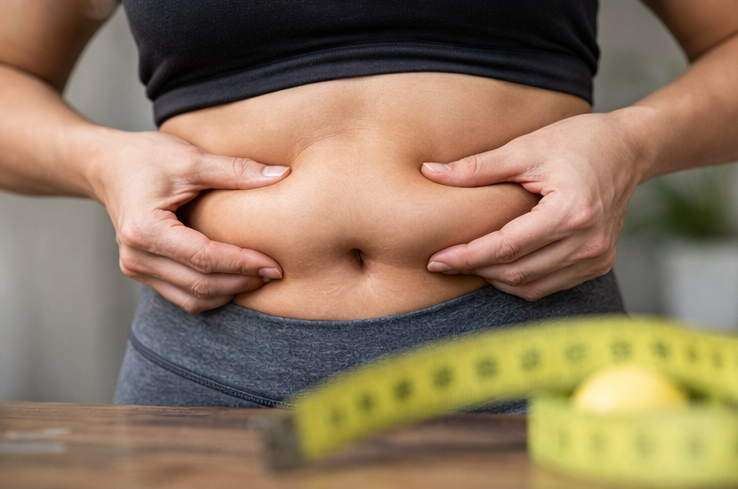
There’s another possibility that’s often overlooked: your abdominal muscles may be developing under the fat layer.
When you perform daily sit-ups:
Core muscles become stronger and slightly thicker.
Posture may improve.
Abdominal tension may increase.
In some cases, if body fat hasn’t decreased, stronger muscles can create a firmer appearance without a smaller waist measurement. This can feel discouraging, but it indicates muscular adaptation—not failure.
Visible abdominal definition only appears when overall body fat percentage declines sufficiently. That requires systemic fat loss, not localized muscle engagement.
Diet Quality Often Determines Results
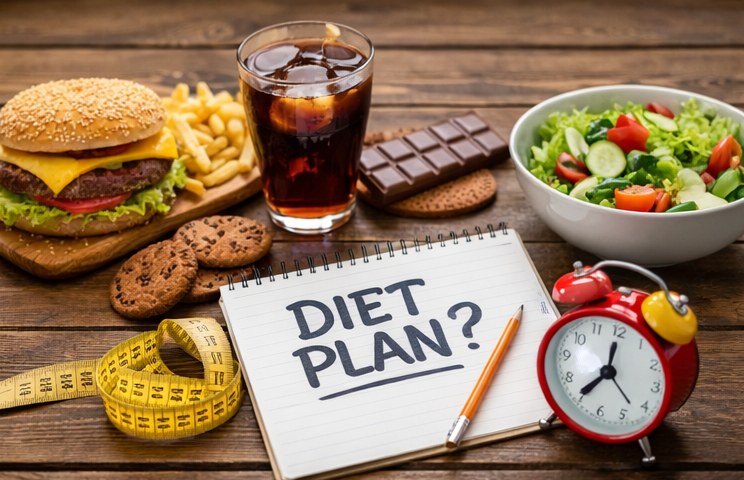
If your belly fat won’t go away despite consistent sit-ups, nutrition may be the missing piece.
Fat loss is influenced by overall calorie intake, macronutrient balance, and dietary habits over time. Even small, untracked additions—such as snacks, sugary beverages, or frequent restaurant meals—can offset the calories burned through exercise.
Key considerations include:
Calorie Awareness
You don’t need extreme restriction. But without awareness, it’s easy to consume maintenance-level calories that prevent fat loss.
Protein Intake
Adequate protein supports muscle retention and can improve satiety, helping regulate overall intake.
Processed Carbohydrates and Added Sugars
Highly processed foods may contribute to overeating due to lower satiety.
Alcohol Consumption
Alcohol adds calories and can affect fat metabolism, especially when consumed frequently.
It’s common for individuals to focus heavily on exercise while underestimating nutrition’s influence. Sustainable changes usually involve both.
Time Frame Expectations May Be Unrealistic
Weeks of daily sit-ups can feel like a long commitment. Physiologically, however, visible fat reduction often takes longer than expected.
Healthy fat loss typically occurs gradually. Depending on starting body composition, it may take several months of consistent calorie balance and full-body activity to see noticeable abdominal changes.
Several factors influence the timeline:
Starting body fat percentage
Age and metabolic rate
Consistency of nutrition and activity
Stress and sleep quality
When expectations are misaligned with realistic timelines, frustration can set in—even when progress is happening slowly.
A More Effective Approach to Reducing Belly Fat

If your current strategy consists primarily of daily sit-ups, you may benefit from broadening your routine.
Combine Strength and Cardiovascular Training
Full-body strength exercises such as squats, lunges, push-ups, and rows engage multiple muscle groups and increase overall energy expenditure. Cardiovascular activities—like brisk walking, cycling, or interval training—can further support calorie balance.
The goal isn’t to eliminate core exercises. It’s to integrate them into a comprehensive routine.
Focus on Progressive Overload
Your body adapts quickly to repetitive movements. Doing the same number of sit-ups every day may no longer challenge your muscles or metabolism.
Progression might include:
Increasing resistance
Adding variety (planks, leg raises, rotational work)
Incorporating compound movements
Improve Daily Movement
Non-exercise activity—walking, standing, taking stairs—contributes meaningfully to daily energy expenditure. Small increases in movement throughout the day can accumulate significantly over weeks.
Support Recovery
Sleep and stress management are often underestimated. Seven to nine hours of quality sleep supports hormonal balance and appetite regulation.
Practical Considerations Before Changing Your Plan
Before making major adjustments, consider the following:
Consistency Over Intensity
Short bursts of extreme effort are less effective than moderate, consistent habits.
Sustainability
A plan that fits your schedule is more likely to produce long-term results than an ambitious routine that becomes overwhelming.
Body Composition vs. Scale Weight
The number on the scale may not reflect improvements in muscle tone and posture. Measuring waist circumference periodically may provide more relevant feedback.
Medical Factors
If fat retention is accompanied by symptoms such as fatigue, irregular cycles, or significant weight fluctuations, consulting a qualified healthcare professional can help rule out underlying conditions.
Understanding What Sit-Ups Are Actually Good For
Sit-ups are not useless. They offer real benefits:
Improved core strength
Better spinal stability
Enhanced posture
Increased muscular endurance
For individuals working from home or spending long hours seated, core strengthening can reduce discomfort and improve functional movement.
The limitation lies not in the exercise itself, but in expecting it to directly eliminate belly fat.
When Belly Fat Persists Despite Effort
If your belly fat won’t go despite consistent workouts and reasonable nutrition, it may simply require patience and strategic adjustments rather than drastic change.
Fat loss tends to occur in stages. Some areas respond sooner than others. The abdomen is often among the last regions where visible fat reduction appears.
Instead of increasing sit-up volume dramatically, consider evaluating:
Total weekly activity
Sleep patterns
Stress levels
Overall dietary patterns
Strength training variety
Small refinements can produce gradual but meaningful changes.
Visible abdominal changes are usually the result of coordinated habits rather than isolated exercises. Daily sit-ups demonstrate discipline, but fat loss depends on broader physiological processes—energy balance, hormonal regulation, and overall body composition shifts.
When you understand why belly fat won’t go away despite focused abdominal work, you can redirect your effort toward strategies that align with how the body actually responds.