leanroutine.online – Discover a sustainable home workout for weight loss designed for busy professionals—no gym, no expensive equipment, just smart, effective routines.
For many busy professionals, the idea of losing weight often feels tied to gym memberships, personal trainers, or expensive fitness programs. Long working hours, tight deadlines, and family responsibilities can make regular trips to a fitness center unrealistic. Yet the desire to feel lighter, healthier, and more energized never really goes away. This is where a well-designed home workout for weight loss becomes not just convenient, but transformative.
A practical home routine removes the biggest barriers that prevent consistent exercise. There is no commute, no waiting for equipment, and no pressure to keep up with others. Instead, you build a system that fits into your schedule rather than competes with it. When approached strategically, training at home can be just as effective as a gym-based program, especially for weight loss.
In this first part of the guide, we will explore what a home workout for weight loss truly means, why it works, and how busy professionals can approach it in a realistic and sustainable way. The goal is not quick fixes or extreme routines. The goal is to create a method that works in real life.
Understanding What a Home Workout for Weight Loss Really Is
At its core, a home workout for weight loss is a structured physical activity plan performed in your living space, designed to help reduce body fat while maintaining or improving muscle tone. It does not rely on specialized machines or high-end equipment. Instead, it uses bodyweight movements, simple tools like resistance bands or dumbbells, and intelligent programming.
Weight loss happens when your body consistently uses more energy than it consumes. Exercise increases energy expenditure, preserves lean muscle mass, and improves metabolic efficiency. When combined with mindful eating habits, it creates the foundation for steady, healthy fat reduction.
However, the effectiveness of home training is not about random exercises squeezed in between meetings. It depends on consistency, progressive challenge, and balanced movement patterns. A few push-ups one day and a short jog the next are not enough if there is no structure behind them. The real power lies in having a clear plan.
Why Busy Professionals Struggle With Traditional Fitness Models
Modern work culture often demands mental focus for long periods while keeping the body physically inactive. Sitting for hours in front of a screen slows down circulation, reduces daily calorie burn, and can gradually weaken core and postural muscles.
After a demanding workday, driving to a gym can feel exhausting before the workout even begins. Add traffic, changing clothes, waiting for machines, and commuting back home, and what should be a one-hour session can easily turn into two or more. For professionals managing both career and personal life, that time investment becomes a major obstacle.
A home workout for weight loss removes these friction points. You can train before work, during a lunch break, or immediately after logging off. Even a focused 30-minute session can produce measurable results when performed consistently. The key is to design sessions that maximize impact without requiring hours of effort.
The Science Behind Weight Loss at Home
Many people assume that effective fat loss requires heavy lifting machines or long cardio sessions on treadmills. In reality, the body responds to stimulus, not location. Muscles do not know whether you are training in a high-end gym or your bedroom. They respond to resistance, intensity, and repetition.
Bodyweight exercises such as squats, lunges, push-ups, planks, and burpees can significantly elevate heart rate while engaging multiple muscle groups at once. This combination increases calorie burn during the workout and stimulates muscle tissue, which supports metabolic health over time.
Strength-focused movements are especially important in any home workout for weight loss plan. When you build or maintain muscle, your resting metabolic rate improves. This means your body burns more calories even when you are not exercising. Cardio alone may burn calories in the moment, but strength training helps shape a body that uses energy more efficiently throughout the day.
Additionally, short high-intensity intervals can be particularly beneficial for professionals with limited time. Alternating bursts of effort with brief recovery periods challenges both cardiovascular and muscular systems in a condensed timeframe. The result is a powerful training effect without long sessions.
Shifting the Mindset From Intensity to Consistency
One of the biggest mistakes people make is believing that weight loss requires extreme effort. Intense programs might deliver rapid results initially, but they are rarely sustainable for someone balancing work and life responsibilities.
A smarter approach focuses on consistency. A manageable 30-minute routine performed four or five times per week will outperform a brutal 90-minute workout done sporadically. Think of your fitness routine as a business investment. Small, regular contributions grow over time, while occasional large deposits followed by inactivity do not produce steady returns.
A sustainable home workout for weight loss fits into your routine like brushing your teeth. It becomes a non-negotiable habit rather than a dramatic event. This mindset shift alone dramatically increases long-term success.
Building the Foundation: Core Movement Patterns
Every effective training plan, whether at home or in a gym, is built around fundamental movement patterns. These include pushing, pulling, squatting, hinging, lunging, and stabilizing.
Squatting movements target the thighs and glutes, which are among the largest muscle groups in the body. Engaging them increases overall energy expenditure. Hinges, such as hip bridges or Romanian-style movements, strengthen the posterior chain and improve posture. Push movements train the chest, shoulders, and arms, while pulling movements balance upper-body development and protect shoulder health.
Core stabilization exercises like planks and controlled rotational movements enhance balance and protect the lower back. For professionals who spend hours seated, strengthening the core and posterior muscles can also reduce discomfort and improve daily energy levels.
By combining these patterns into structured sessions, you create a full-body stimulus that supports fat loss while improving functional strength.
Creating a Realistic Weekly Framework
A common question is how often one should train at home to see results. For most busy professionals, four sessions per week provide an excellent balance between effectiveness and recovery. If you’re still unsure about the ideal frequency based on your recovery capacity and workload, you can read our detailed breakdown on how many days busy professionals should work out at home to determine what schedule fits you best.
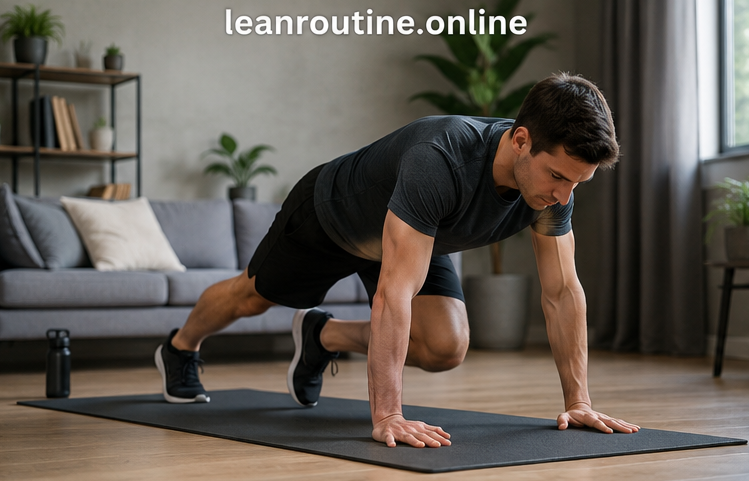
Each session can blend strength-focused exercises with short bursts of cardio. For example, a sequence might include lower-body movements followed by upper-body work, then a brief interval of dynamic activity such as jumping jacks or mountain climbers. This approach keeps the heart rate elevated while ensuring muscles are adequately challenged.
On non-training days, light activity such as walking can support overall calorie expenditure without overwhelming your schedule. Even short walks between meetings or after dinner contribute meaningfully over time.
The goal is to create rhythm. When your week has a predictable structure, decision fatigue decreases. You do not wake up wondering whether to exercise; you already know which days are designated for training.
The Role of Minimal Equipment
While a home workout for weight loss can rely entirely on bodyweight, adding simple tools can increase progression and variety. Resistance bands are affordable, portable, and adaptable to different strength levels. A pair of adjustable dumbbells can also expand exercise options without taking up much space.
If you’re debating whether investing in equipment truly speeds up results, read our analysis of whether you really need home gym equipment to lose weight faster before making a purchase decision.
These tools allow you to gradually increase resistance as your strength improves. Progressive overload, or gradually challenging your muscles more over time, is essential for continued results. Without it, the body adapts and progress slows.
That said, equipment should enhance your plan, not complicate it. The emphasis remains on smart programming rather than expensive purchases.
Nutrition as a Quiet Partner
Exercise alone rarely leads to meaningful fat loss if eating habits remain unchanged. Many busy professionals discover that progress stalls not because they are not training hard enough, but because exercise and nutrition are working in isolation. In fact, understanding why diet alone often fails without the right home workout strategy helps clarify how both elements must support each other to produce sustainable results.
That said, effective nutrition does not require extreme dieting or rigid restriction. For professionals managing demanding schedules, simple and repeatable habits create far better long-term outcomes than aggressive short-term plans.
Prioritizing protein at each meal supports muscle maintenance and improves satiety, reducing the likelihood of overeating later in the day. Including vegetables and fiber-rich foods further stabilizes hunger levels and energy. Gradually minimizing highly processed snacks and sugary beverages can significantly reduce total calorie intake without the need for obsessive tracking.
Hydration also plays a subtle but powerful role. Even mild dehydration can lower energy, impair workout performance, and increase unnecessary snacking. Maintaining consistent water intake throughout the day supports both appetite regulation and training quality.
When paired with a structured home workout for weight loss routine, these nutritional habits create synergy. Exercise strengthens metabolism and muscle tissue, while smart eating reinforces recovery and fat loss. Together, they form a system that delivers steady, predictable progress rather than temporary change.
Overcoming Psychological Barriers
Training at home can feel isolating compared to a gym environment. Without external accountability, it becomes easier to postpone sessions. Creating personal accountability systems is therefore essential.
Tracking workouts in a journal or app builds a sense of progress. Celebrating small milestones, such as increased repetitions or improved endurance, reinforces motivation. Some professionals benefit from virtual communities or structured programs that provide guidance without requiring physical attendance.
If you are unsure how to structure progression or maintain momentum, exploring a detailed guide on building sustainable fitness habits can offer additional clarity. You can read more in our related article on creating long-term workout consistency, which expands on behavioral strategies that complement physical training.
A Practical Perspective on Results
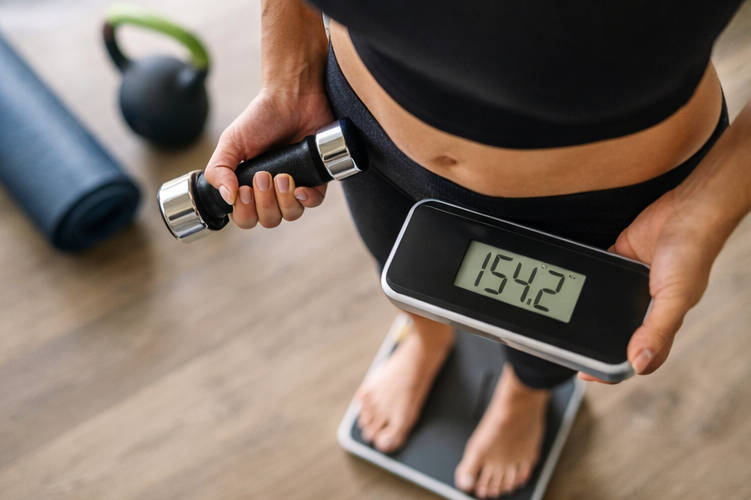
Weight loss does not happen overnight, especially when approached in a healthy manner. A realistic expectation is gradual change over several weeks and months. Rapid fluctuations often reflect water shifts rather than true fat reduction.
Busy professionals should focus on performance indicators alongside scale weight. Improved stamina, better sleep quality, enhanced mood, and increased strength are meaningful signs of progress. These benefits often appear before significant visual changes, reinforcing the value of staying consistent.
A well-structured home workout for weight loss does more than reduce body fat. It enhances resilience. When your body feels stronger and more capable, work stress becomes easier to manage. Confidence increases not only because of physical transformation but because of the discipline you develop.
In the next part of this pillar guide, we will move from foundational principles into detailed programming strategies. You will learn how to structure specific sessions, adjust intensity based on fitness level, and design progression over time without overwhelming your schedule.
For now, understand this: you do not need a gym membership, expensive equipment, or hours of free time to begin transforming your body. What you need is a clear plan, a commitment to consistency, and the willingness to start where you are. A thoughtfully designed home workout for weight loss can become the most practical and sustainable investment in your long-term health.
Sustainable change begins when structure turns into action. Once the foundation is clear and the mindset is aligned, execution becomes the defining factor. A well-designed home workout for weight loss only delivers results when it moves from theory into daily routine. The difference between intention and transformation lies in how consistently the plan is implemented in real life, especially within the demanding rhythm of a professional schedule.
Designing a Weekly Training Blueprint That Fits Real Life
A practical training structure does not revolve around motivation. It revolves around predictability. Busy professionals benefit most from assigning specific days to full-body strength sessions and designating lighter days for recovery-focused movement.
A balanced weekly rhythm might include four focused strength-based workouts spaced evenly across the week. These sessions should combine lower-body movements, upper-body pushes and pulls, and integrated core work. Instead of isolating muscle groups on separate days, full-body sessions maximize efficiency. They stimulate more muscle tissue per workout, elevate calorie expenditure, and reduce the total number of sessions required.
Recovery days do not mean inactivity. Gentle walking, mobility drills, or stretching routines keep circulation active and reduce muscle stiffness caused by long hours at a desk. This approach supports fat loss while protecting energy levels.
The key is sustainability. A home workout for weight loss must fit seamlessly into your calendar, not compete with it. Early morning sessions before emails begin or short evening workouts immediately after work often prove most reliable because they eliminate schedule conflicts.
Structuring an Effective 30–40 Minute Session

Efficiency is critical. Every session should follow a clear internal flow. A brief warm-up prepares joints and activates key muscle groups. Dynamic movements such as bodyweight squats, arm circles, and controlled lunges gradually elevate heart rate without exhausting you.
The central portion of the workout focuses on compound movements. Squats paired with push-ups, lunges combined with rows using resistance bands, or hip bridges followed by shoulder presses create balanced muscular engagement. Alternating upper and lower body exercises allows one area to recover while another works, keeping intensity high without requiring long rest periods.
Short conditioning intervals at the end of the session add a metabolic challenge. Controlled bursts of effort, such as mountain climbers or jump squats, increase cardiovascular demand and amplify calorie burn. Even five to eight minutes of structured intervals can significantly enhance overall training impact.
If time is your biggest constraint, you may also want to explore whether a 15-minute home workout is enough for long-term weight loss and under what conditions shorter sessions can still produce meaningful results.
The session closes with light stretching to promote flexibility and reduce tension. This deliberate structure ensures each workout feels complete, even when time is limited.
Adapting the Plan to Different Fitness Levels
Not every professional begins at the same fitness baseline. Some may be returning to exercise after years of inactivity, while others already possess moderate strength but lack consistency. A home workout for weight loss should be scalable to accommodate these differences.
Beginners benefit from focusing on form before intensity. Slower repetitions, reduced range of motion, and longer rest periods build confidence while minimizing injury risk. For example, incline push-ups against a wall or countertop provide a manageable starting point before progressing to floor variations.
Intermediate individuals can increase difficulty by adding resistance bands, dumbbells, or tempo variations. Slowing the lowering phase of a squat or holding a plank longer intensifies muscular demand without extending workout duration.
Advanced participants may incorporate unilateral movements such as single-leg squats or explosive variations like jump lunges to further challenge coordination and power. The environment remains the same, but the stimulus evolves.
Progression does not require complicated programming. Small increases in repetitions, resistance, or intensity each week create steady advancement. This gradual overload is what keeps results moving forward.
Integrating Movement Into a Sedentary Workday

Formal workouts are powerful, but daily movement outside those sessions also plays a significant role in fat loss. Long hours of sitting can slow metabolic processes, even when structured exercise is present.
Simple habits can counteract this effect. Standing during virtual meetings, taking short walking breaks between tasks, or performing light mobility drills midday maintain circulation and energy. These micro-movements accumulate over time, increasing total daily calorie expenditure without adding formal training stress.
For professionals working remotely, placing resistance bands near the desk can serve as a visual reminder to move. A brief set of squats or band pulls during breaks reinforces consistency. Over weeks and months, these small actions contribute meaningfully to overall progress.
When combined with a consistent home workout for weight loss, increased daily movement creates a powerful synergy.
Navigating Plateaus Without Losing Momentum
Almost everyone encounters periods when progress slows. If you’ve been consistent but results seem stalled, it may help to understand why you’re not losing weight after weeks of consistent home workouts and what adjustments might be necessary. The scale may stagnate, or visible changes may plateau. This does not mean the method has failed. Often, the body is simply adapting.
During these phases, subtle adjustments are more effective than drastic changes. Increasing workout intensity slightly, shortening rest periods, or adding one additional weekly session can reignite progress. Alternatively, reviewing nutritional habits may reveal hidden calorie sources such as liquid beverages or frequent snacking.
Sleep quality also influences weight regulation. Chronic sleep deprivation disrupts hunger hormones and reduces workout performance. Ensuring seven to eight hours of rest enhances both fat loss and muscle recovery.
Patience remains essential. Sustainable weight reduction is rarely linear. Temporary stalls are normal and often precede further improvement.
Common Mistakes That Undermine Results
One frequent error is prioritizing cardio at the expense of strength training. While steady-state cardio burns calories, neglecting resistance work can lead to muscle loss, which slows metabolism over time. Balanced programming prevents this issue.
Another mistake involves excessive intensity too soon. High-impact movements performed without adequate preparation increase injury risk and burnout.To reduce setbacks, especially if you’re over 30 or returning after a long break, learn how to avoid injury when starting a home workout program after 30 safely. Gradual progression preserves long-term consistency.
Some individuals underestimate nutrition, assuming exercise alone will compensate for poor dietary habits. Even the most structured home workout for weight loss cannot fully offset consistently excessive calorie intake. Moderate, realistic dietary adjustments amplify results without extreme restriction.
Inconsistency remains the most significant obstacle. Skipping workouts repeatedly breaks momentum and makes restarting psychologically harder. Establishing non-negotiable training days reduces decision fatigue and protects routine.
Creating a Supportive Environment at Home
Your environment plays a larger role in consistency than most people realize. A cluttered or distracting space can quietly reduce focus and motivation. By dedicating a small, consistent area for training, you signal to yourself that movement is a priority. It does not need to be elaborate—even a clear section of your living room floor can be enough to reinforce the habit.
Basic equipment can enhance comfort and exercise variety. A supportive mat, resistance bands, or adjustable dumbbells make progression easier and remove common excuses. However, before investing in additional gear, it is worth understanding whether you really need home gym equipment to lose weight faster or if structured programming alone can deliver the results you want.
Digital tools can further strengthen accountability. Fitness apps that track repetitions or guided platforms that provide structured routines help reduce decision fatigue, especially after a long workday. At the same time, many professionals struggle with consistency in the early stages. Learning why most people quit home workouts after two weeks can help you anticipate common obstacles and build systems that prevent early drop-off.
Ultimately, the goal is not to accumulate tools, but to remove friction. When your setup simplifies action rather than complicates it, adherence becomes easier—and long-term results become far more attainable.
Balancing Weight Loss With Muscle Definition

For many professionals, weight loss is not solely about the number on the scale. Appearance, posture, and confidence often matter equally. A well-rounded home workout for weight loss supports body recomposition, where fat decreases while muscle tone improves.
Strength-focused circuits encourage this effect. As muscle definition increases, clothing fits differently even if total body weight changes slowly. This shift often becomes noticeable in the waistline and shoulders first.
Nutrition plays a complementary role. Adequate protein intake supports muscle repair after training. Balanced meals stabilize energy, preventing the afternoon fatigue that leads to unnecessary snacking.
Consistency in both exercise and nutrition gradually transforms body composition in a sustainable way.
Managing Stress and Hormonal Balance
High-pressure careers often elevate stress hormones, particularly cortisol. When stress becomes chronic, it can subtly influence fat storage patterns—especially around the midsection. This is one reason many professionals begin researching how to lose stubborn belly fat at home without worsening joint pain, since abdominal fat is often linked not only to diet and exercise, but also to stress levels and recovery quality.
Regular physical activity acts as a natural stress regulator. A structured home workout for weight loss does more than burn calories—it helps reset the nervous system. Focused movement interrupts ongoing mental strain from work responsibilities and stimulates endorphin release, which improves mood and mental clarity.
Incorporating mindful breathing during cooldown phases can amplify this effect. Even a few minutes of controlled breathing after training helps shift the body from a high-alert state into recovery mode. This transition is essential for hormonal balance and long-term consistency.
When stress levels decrease, adherence to training improves. And when adherence improves, sustainable fat loss becomes far more achievable.
Travel and Schedule Disruptions
Professionals frequently travel or encounter unpredictable weeks. Flexibility ensures continuity. Bodyweight-focused routines can be performed in hotel rooms without equipment. Shorter sessions maintain momentum during busy periods.
The objective during travel is maintenance, not perfection. Two or three concise sessions keep the habit alive. Once normal scheduling resumes, intensity can gradually increase again.
Viewing exercise as a long-term lifestyle rather than a short-term project reduces the emotional impact of temporary disruptions.
Long-Term Progression and Goal Evolution
As weeks turn into months, fitness capacity improves. Movements that once felt challenging become manageable. This is the moment to elevate goals.
Increasing resistance, exploring more complex variations, or setting performance-based targets such as achieving a certain number of push-ups creates fresh motivation. Progress should feel dynamic rather than static.
Some professionals eventually choose to integrate additional tools such as kettlebells or suspension trainers to diversify their home workout for weight loss. These additions expand exercise variety while preserving convenience.
For those seeking deeper insight into optimizing body composition and training performance, our comprehensive guide on effective strength training progression offers advanced strategies that complement home-based routines.
Growth remains continuous when curiosity replaces complacency.
Cultivating Identity Over Short-Term Motivation
Perhaps the most powerful transformation occurs when exercise shifts from something you do to part of who you are. Identifying as someone who prioritizes health changes daily decisions subtly but consistently.
Instead of debating whether to train, you train because it aligns with your values. Instead of viewing healthy meals as restriction, you see them as fuel for performance.
A structured home workout for weight loss becomes more than a routine. It becomes a statement of self-respect. Busy professionals who embrace this identity often notice improvements extending beyond physical health. Productivity increases, mental clarity sharpens, and resilience grows.
The environment may remain demanding. Deadlines will not disappear. Yet the ability to manage energy and maintain physical strength creates stability amid pressure.
Over time, the transformation becomes evident not only in the mirror but in posture, confidence, and endurance. The absence of a gym never limited progress. The absence of a plan once did.
With a clear structure, consistent execution, and thoughtful progression, a home workout for weight loss evolves from a temporary solution into a lifelong system. The tools are simple. The space is familiar. The commitment is personal.
And that combination is powerful enough to reshape both body and routine for years to come.